Then This Now Home

Category

Technology

24 articles

Turn Here for No Reason: How GPS Killed the American Detour

Before navigation apps told us exactly where to go and how long it would take, Americans used to wander. They'd take wrong turns, find strange towns, and stumble onto roadside attractions that weren't in any guidebook. That version of road travel is almost gone — and we barely noticed it leave.

Fill 'Er Up With Whatever That Was: America's Long, Strange Road From Leaded Gas to the Pump You Barely Think About

Fill 'Er Up With Whatever That Was: America's Long, Strange Road From Leaded Gas to the Pump You Barely Think About

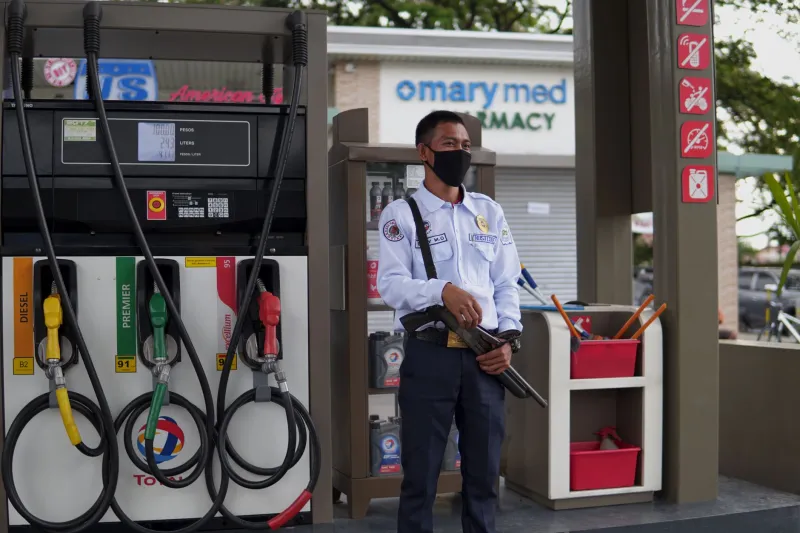
For decades, American drivers pumped leaded gasoline into their cars without giving it a second thought — and without fully understanding what that meant for their engines, or their health. The story of how America's fuel evolved from a toxic, attendant-poured mystery liquid into today's standardized, self-serve choices is one of the more dramatic and underappreciated transformations in automotive history.

The Sunday Paper, the Stranger's Phone Number, and the Car You Bought on Pure Faith

The Sunday Paper, the Stranger's Phone Number, and the Car You Bought on Pure Faith

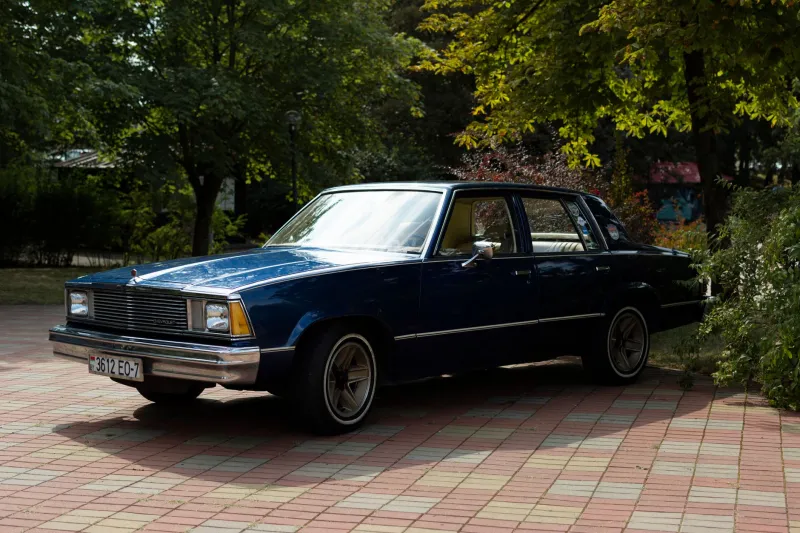
Before the internet existed, buying a used car meant squinting at three-line newspaper ads, calling strangers from your kitchen phone, and driving across town based on a description that might have been generous. It was slow, uncertain, and occasionally thrilling. Today, you can filter 10,000 listings by color, mileage, and zip code before you finish your morning coffee.

That Smell Used to Mean Something: The Rise and Fall of New Car Scent in America

That Smell Used to Mean Something: The Rise and Fall of New Car Scent in America

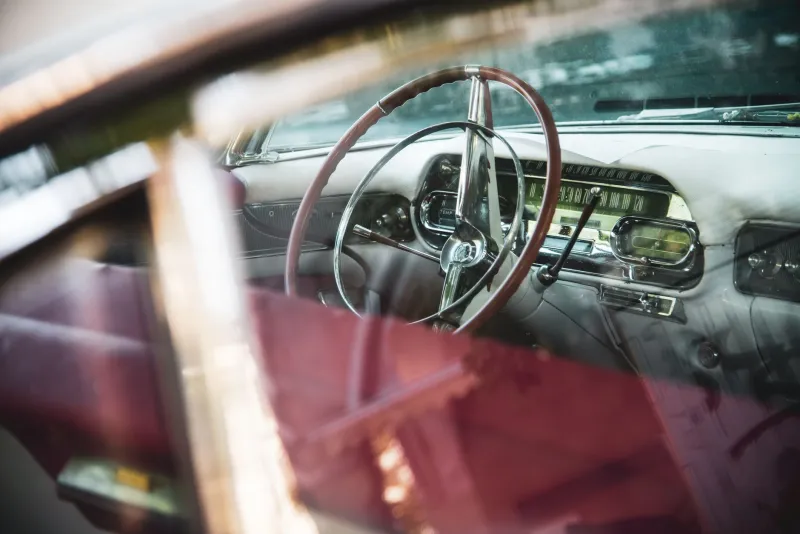
For generations of Americans, the smell of a brand-new car interior was one of the most intoxicating sensory experiences money could buy — a scent that meant arrival, ambition, and possibility. But what we were actually inhaling was a cocktail of off-gassing chemicals, and the automotive industry has spent the last two decades quietly engineering that beloved odor out of existence.

Steel Meets Skull: The Long, Painful Road to Making Cars Safe Enough to Crash

Steel Meets Skull: The Long, Painful Road to Making Cars Safe Enough to Crash

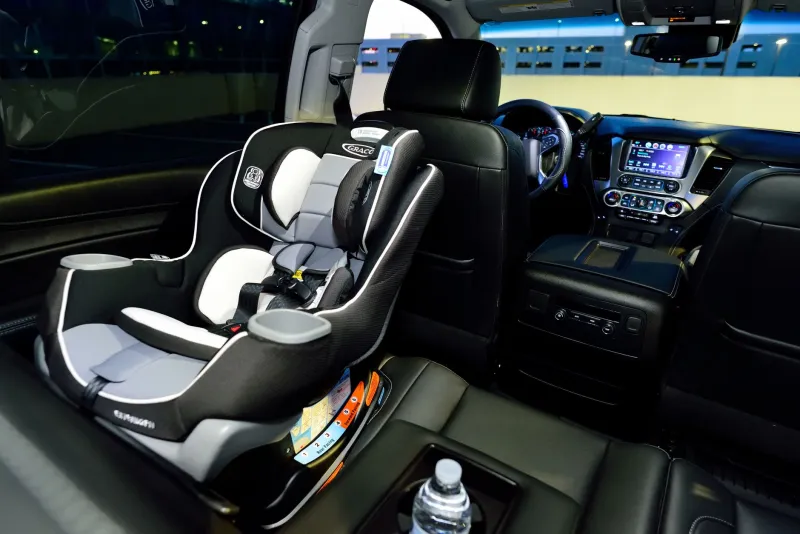
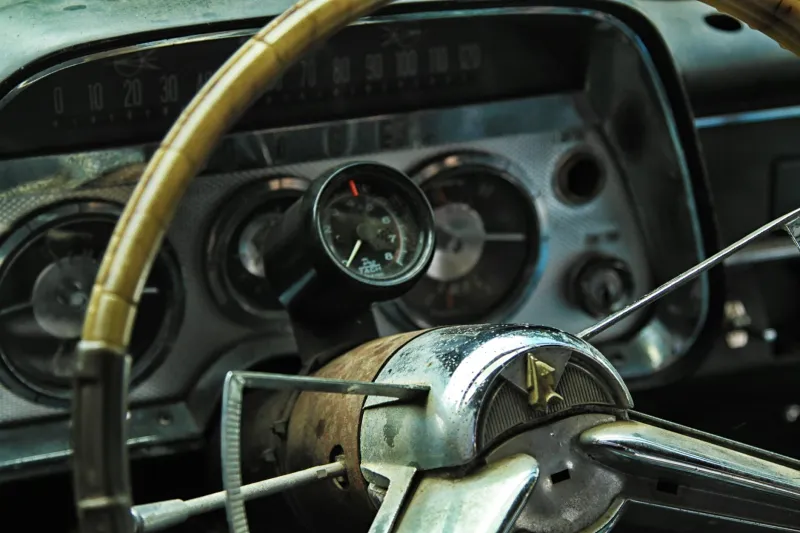
For the first half of American driving history, surviving a car crash was mostly a matter of luck. No crumple zones, no airbags, no energy-absorbing anything — just you, a steering column pointed at your chest, and physics. Here's the story of how engineers finally started designing cars around the fact that crashes happen.

Before Waze, There Was Big Rig Bob: How Truckers Built America's First Traffic Network

Before Waze, There Was Big Rig Bob: How Truckers Built America's First Traffic Network

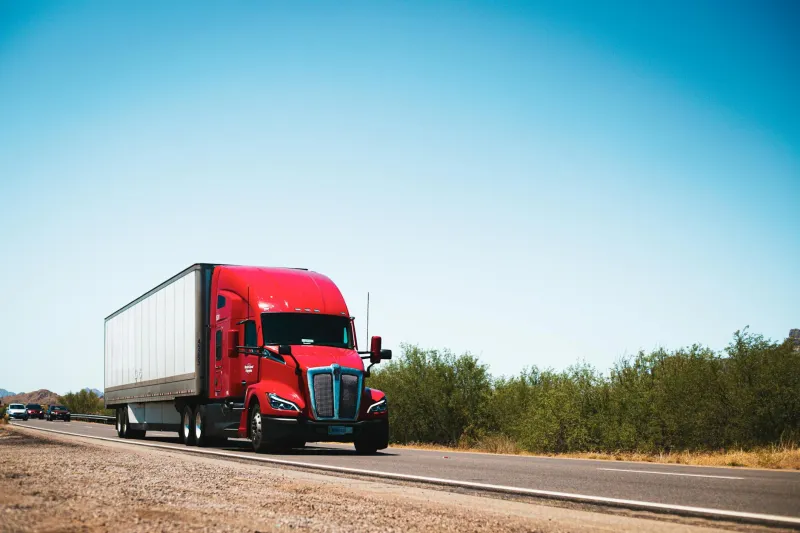
Long before smartphones and GPS, America's highways had their own real-time information network: CB radio-equipped truckers sharing road conditions, speed traps, and weather updates across thousands of miles. This grassroots communication system became a cultural phenomenon that shaped how an entire generation thought about the open road.

Mirrors and Blind Faith: How We Used to Reverse Without Seeing Anything

Mirrors and Blind Faith: How We Used to Reverse Without Seeing Anything

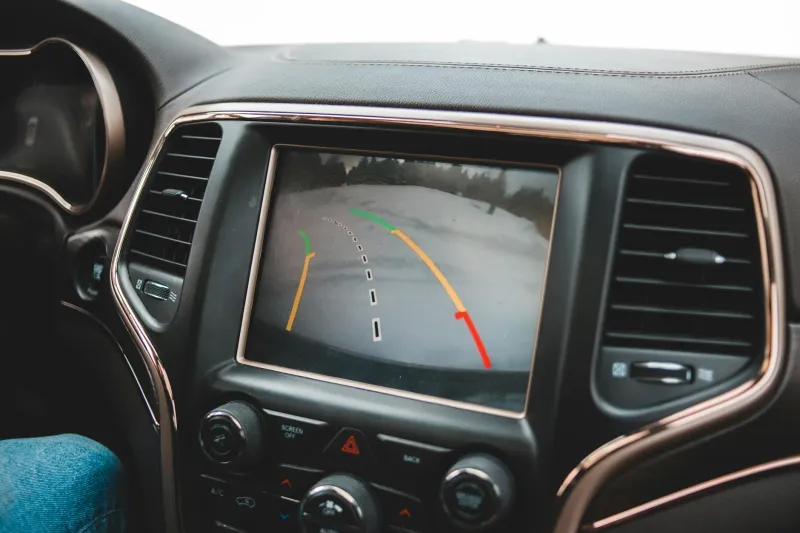
In 1985, backing up a car meant craning your neck, checking mirrors, and hoping nothing was behind you. Today, most vehicles have cameras, sensors, and automatic braking that would have seemed like science fiction. The shift reveals how much danger we once accepted as inevitable.

The 50,000-Mile Throwaway: How Americans Once Accepted That Cars Simply Wore Out

The 50,000-Mile Throwaway: How Americans Once Accepted That Cars Simply Wore Out

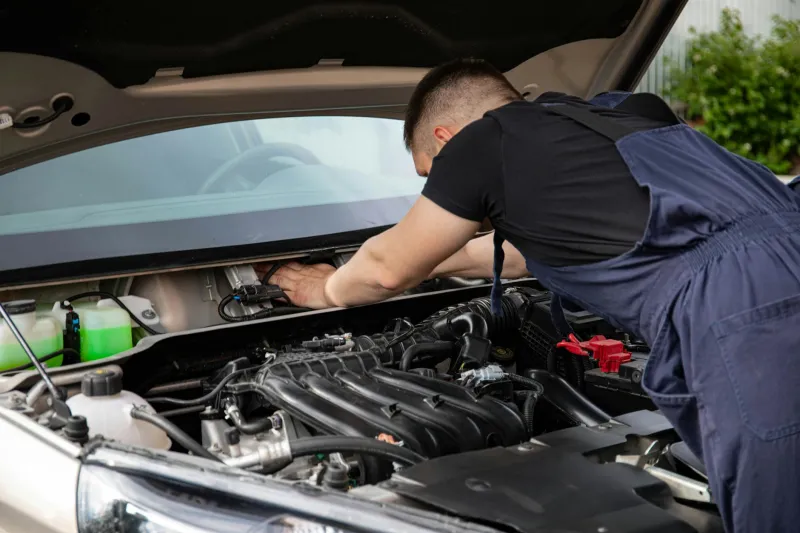
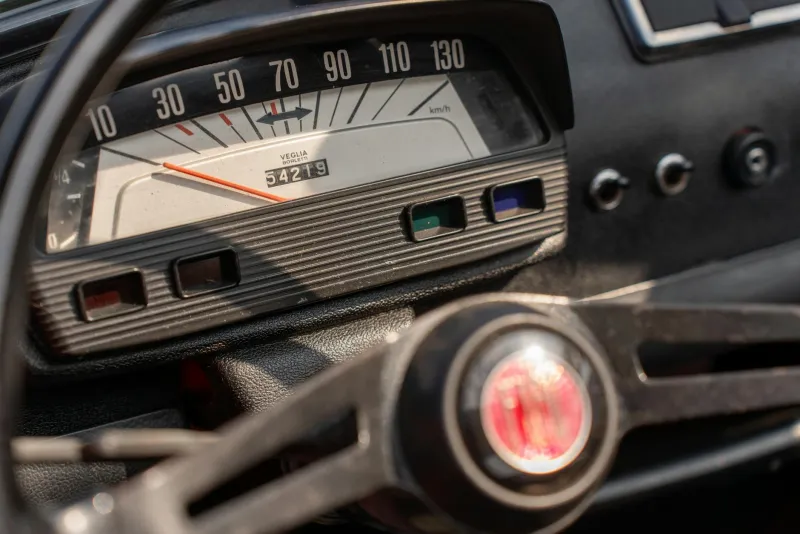
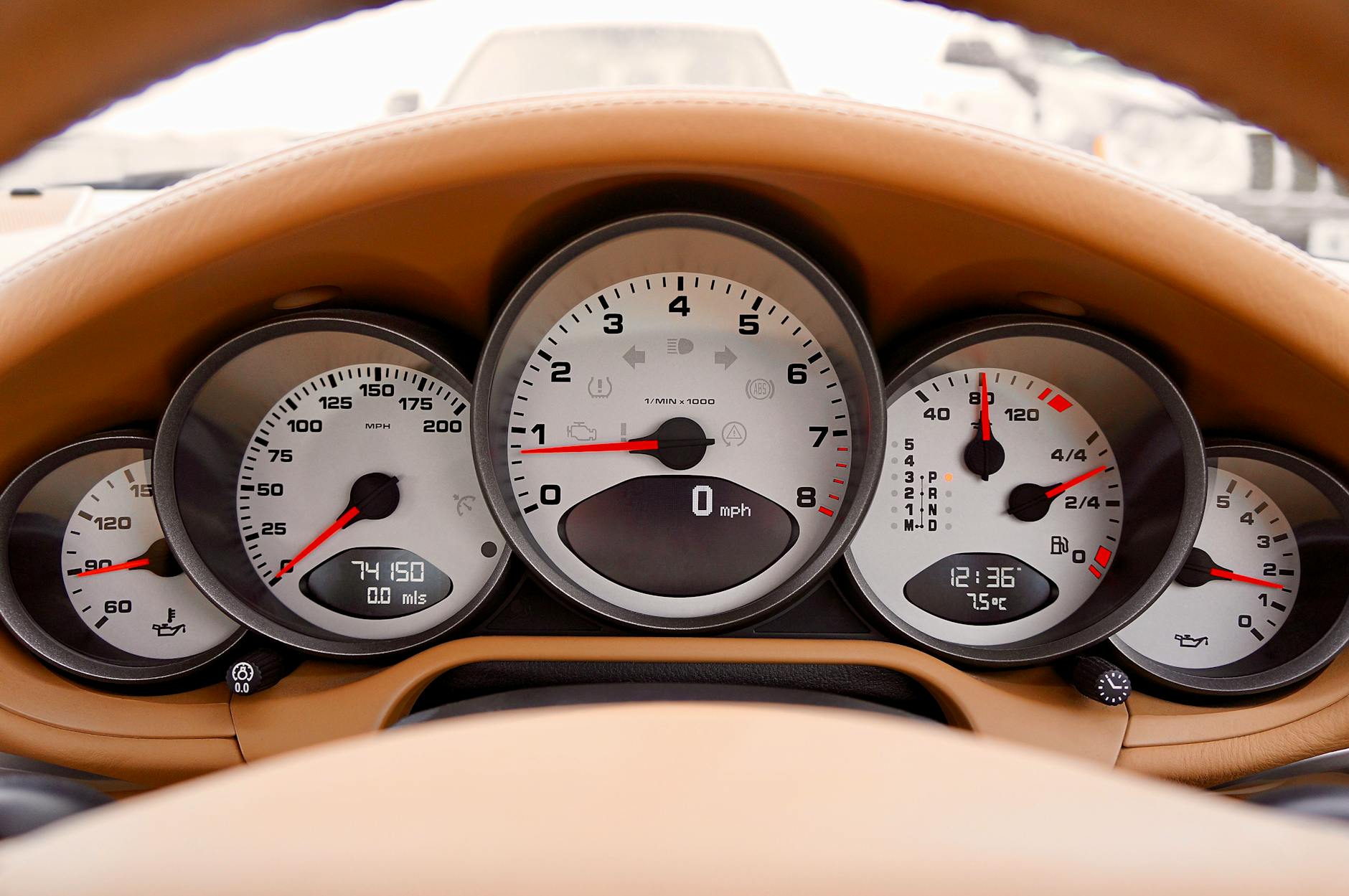
There was a time in America when hitting 100,000 miles on your odometer wasn't an achievement — it was basically a eulogy. Engines burned out, transmissions failed, and rust claimed the rest. The story of how that changed is one of the most underappreciated engineering transformations of the last half-century.