How different was the world before today?

Then This Now

How different was the world before today?

Latest Articles

From Driving Gloves to Digital Dashboards: How Car Interiors Became Spaceships
Technology

From Driving Gloves to Digital Dashboards: How Car Interiors Became Spaceships

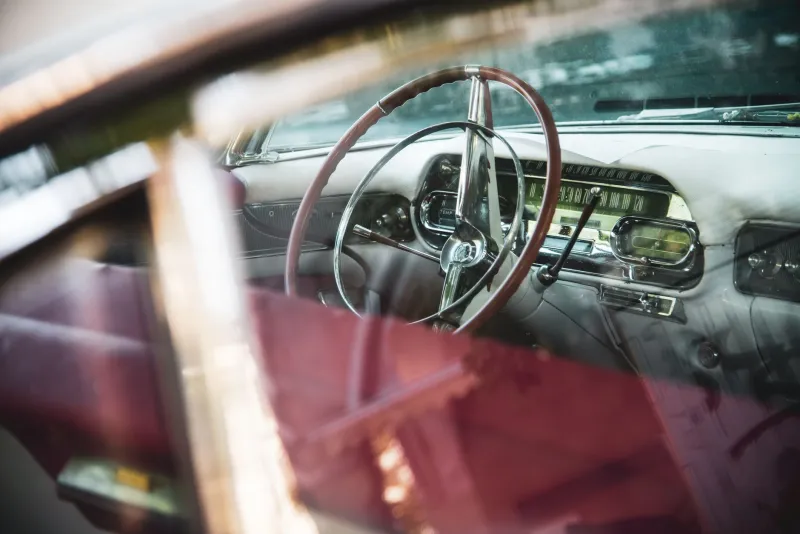
The glove compartment was once filled with actual gloves, maps were made of paper, and your car's most advanced feature was an AM radio. Today's vehicles pack more computing power than the Apollo missions, fundamentally changing what it means to sit behind the wheel.

Under the Stars With Your Car: When Drive-In Theaters Were America's Living Rooms
Travel

Under the Stars With Your Car: When Drive-In Theaters Were America's Living Rooms

At their peak in the 1960s, over 4,000 drive-in movie theaters dotted America's landscape, turning family cars into front-row seats under the open sky. Today, fewer than 300 survive, marking the end of a uniquely American entertainment ritual.

Paper Trails and Half-Day Waits: When the DMV Was America's Most Dreaded Government Building
Technology

Paper Trails and Half-Day Waits: When the DMV Was America's Most Dreaded Government Building

Before online renewals and digital appointments, visiting the Department of Motor Vehicles meant clearing your entire afternoon for a bureaucratic marathon. Here's what Americans endured when every license renewal required showing up in person with a folder full of documents.

Neon Salvation: When a Glowing Drive-Through Was Your Only Hope at 3 AM
Travel

Neon Salvation: When a Glowing Drive-Through Was Your Only Hope at 3 AM

Before smartphones and 24/7 convenience stores, a lit McDonald's or Burger King drive-through at 3 AM felt like finding civilization on Mars. The golden arches weren't just fast food — they were a lifeline for stranded travelers in an America that truly slept.

Silent Roads: How American Drivers Lost the Art of Talking to Each Other at 65 MPH
Finance

Silent Roads: How American Drivers Lost the Art of Talking to Each Other at 65 MPH

There was a time when honking your horn meant "thank you," flashing your lights warned about speed traps, and truckers would blow their air horns just to make kids smile. Then we all stopped trusting each other, and the highway became a place of silent strangers.

Wood Grain and Wonder: How the Station Wagon Accidentally Created the Greatest Family Road Trip Vehicle Ever Built
Technology

Wood Grain and Wonder: How the Station Wagon Accidentally Created the Greatest Family Road Trip Vehicle Ever Built

The station wagon wasn't just a car — it was a mobile living room that forced families to actually spend time together. No individual screens, no climate zones, just wood paneling and the shared adventure of being crammed into one rolling rectangle for hundreds of miles.

Burgundy Velour and Wood Grain Dreams: When Car Interiors Were Personal Statements, Not Corporate Compromises
Travel

Burgundy Velour and Wood Grain Dreams: When Car Interiors Were Personal Statements, Not Corporate Compromises

American car buyers once spent hours agonizing over interior color combinations, fabric textures, and trim options that made every vehicle feel like a custom creation. Today's monotone cabins make us wonder when we stopped caring about the space where we spend so much of our lives.

License Plate Bingo and the Great Cow Count: When Road Trip Entertainment Required Nothing But Windows and Imagination
Travel

License Plate Bingo and the Great Cow Count: When Road Trip Entertainment Required Nothing But Windows and Imagination

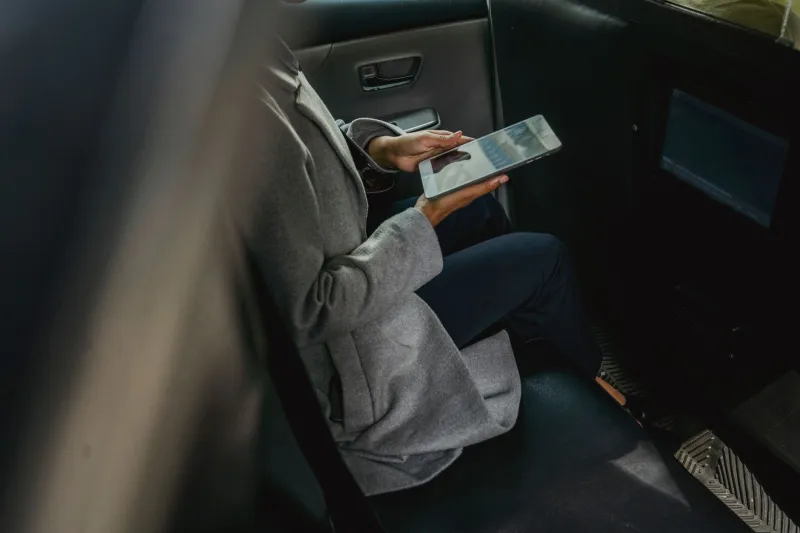
Before tablets turned backseats into mobile movie theaters, American families survived cross-country drives with nothing but creativity, sibling competition, and an endless supply of roadside observations. These analog entertainment strategies taught an entire generation lessons that no screen could deliver.

Running on Instinct: When American Drivers Knew Their Cars by Feel, Not by Flashing Lights
Technology

Running on Instinct: When American Drivers Knew Their Cars by Feel, Not by Flashing Lights

Before digital dashboards started screaming warnings at us, American drivers developed an almost psychic connection with their fuel tanks. They could predict exactly how many miles they had left based on nothing but a wobbly needle and years of intimate automotive knowledge.

Earl's Empire: When Your Local Used Car Dealer Actually Knew Every Rust Spot by Heart
Finance

Earl's Empire: When Your Local Used Car Dealer Actually Knew Every Rust Spot by Heart

Before algorithms determined car values and corporate lots standardized the buying experience, your neighborhood used car dealer was a local institution who remembered every vehicle's quirks. The personal touch that made buying a car feel like joining a community has vanished into digital efficiency.

Storage Wars: How America's Garages Surrendered to Christmas Decorations and Exercise Equipment
Technology

Storage Wars: How America's Garages Surrendered to Christmas Decorations and Exercise Equipment

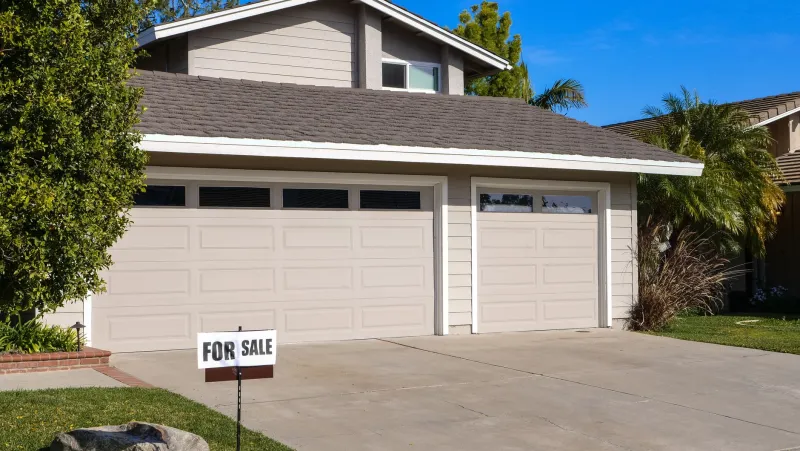
The American garage was designed as a sanctuary for the family automobile, but somewhere along the way it became a suburban storage unit. The transformation from car shelter to household overflow reveals how our relationship with both vehicles and possessions fundamentally changed.

Fort Knox Restrooms: When Gas Station Bathrooms Required a Security Clearance
Travel

Fort Knox Restrooms: When Gas Station Bathrooms Required a Security Clearance

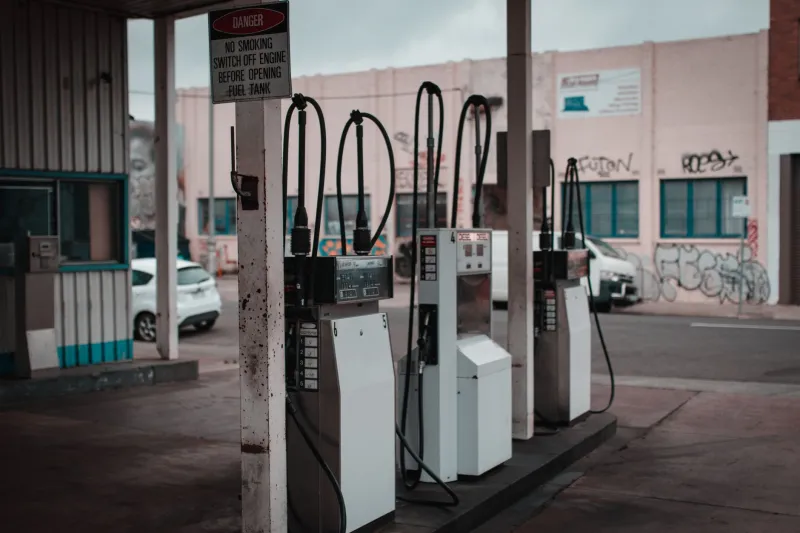
Remember when using a gas station bathroom meant carrying a wooden paddle the size of a license plate? The evolution from open restroom doors to fortress-like security reveals how America's trust in strangers completely collapsed at highway pit stops.

Mobile Living Rooms: When American Kids Treated Cars Like Playground Equipment
Finance

Mobile Living Rooms: When American Kids Treated Cars Like Playground Equipment

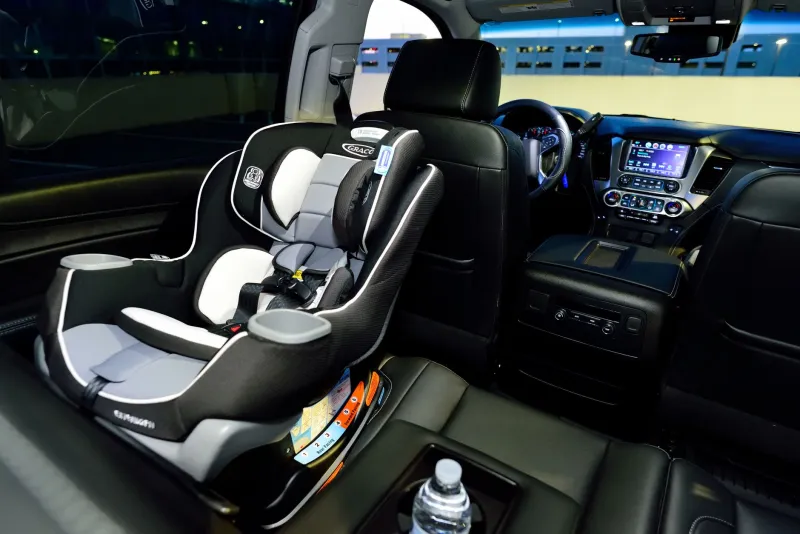
Before car seats, airbags, or safety regulations, American children rode however they wanted—sprawled across back windows, bouncing on bench seats, or tucked into cargo areas. The casual acceptance of automotive risk was once considered normal parenting, not negligence.

The Handshake Inspection: When Your Mechanic's Word Was All You Needed to Keep Driving
Technology

The Handshake Inspection: When Your Mechanic's Word Was All You Needed to Keep Driving

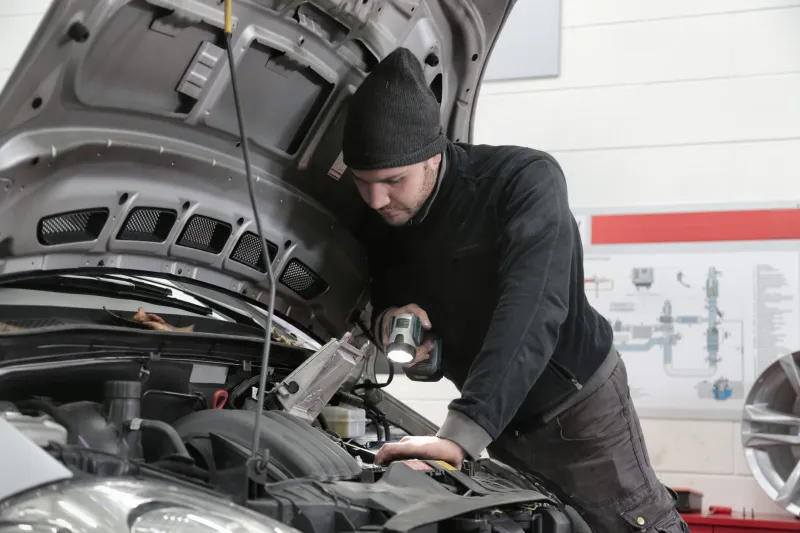
State vehicle inspections once varied wildly from town to town, where knowing your local mechanic could mean the difference between a roadworthy sticker and an expensive repair bill. The informal, inconsistent world of car inspections has given way to standardized computer diagnostics and emissions testing.

Pack Light, Plan Nothing: When American Families Hit the Road With Just a Full Tank and High Hopes
Travel

Pack Light, Plan Nothing: When American Families Hit the Road With Just a Full Tank and High Hopes

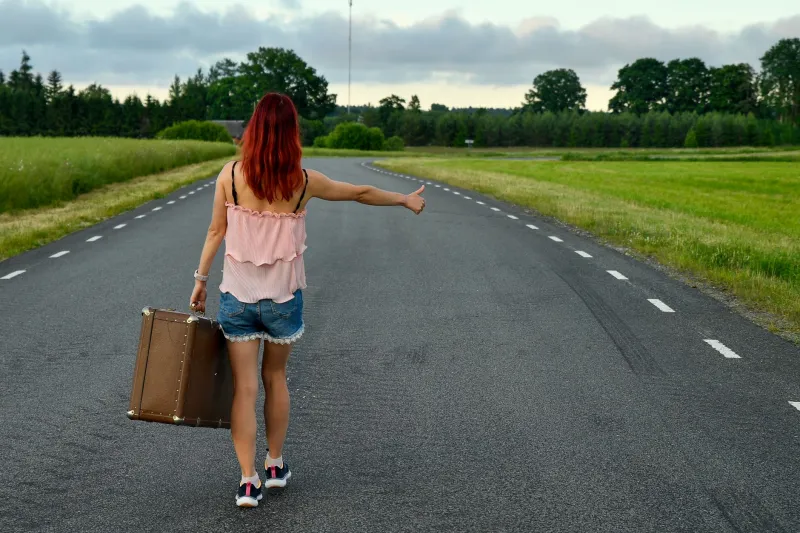
Before booking apps and reservation confirmations, American families simply threw some clothes in a suitcase, loaded the kids in the car, and drove until they found a motel with a vacancy sign. The spontaneous road trip was once the norm, not the exception.

Before Waze, There Was Big Rig Bob: How Truckers Built America's First Traffic Network
Technology

Before Waze, There Was Big Rig Bob: How Truckers Built America's First Traffic Network

Long before smartphones and GPS, America's highways had their own real-time information network: CB radio-equipped truckers sharing road conditions, speed traps, and weather updates across thousands of miles. This grassroots communication system became a cultural phenomenon that shaped how an entire generation thought about the open road.

When Finding a Parking Spot Was Never the Problem: How Downtown America Welcomed Every Car
Travel

When Finding a Parking Spot Was Never the Problem: How Downtown America Welcomed Every Car

Picture this: rolling into downtown Detroit or Chicago in 1955 and having your biggest decision be which of the dozens of available parking spots to choose. Back then, American cities were designed around the assumption that cars belonged everywhere, with free street parking and helpful attendants ready to guide you in.

America's Lost Ritual: When Families Drove Nowhere Just Because They Could
Travel

America's Lost Ritual: When Families Drove Nowhere Just Because They Could

Every Sunday after church, millions of American families would pile into their cars with no destination in mind, simply to enjoy the act of driving. This leisurely tradition of 'going for a drive' has virtually disappeared in our GPS-optimized world where every trip needs a purpose and an efficient route.

Three Across the Front: When American Cars Were Built for Snuggling
Technology

Three Across the Front: When American Cars Were Built for Snuggling

For decades, the front seat of every American car was one continuous bench that could seat three people comfortably. The shift to bucket seats and center consoles fundamentally changed how we experience car travel and human connection.

Stranded: When Car Trouble Meant Genuine Survival Mode
Travel

Stranded: When Car Trouble Meant Genuine Survival Mode

Before cell phones and GPS, a breakdown on an American highway could strand you for days in unfamiliar territory. The experience required genuine survival skills, human trust, and often sleeping in your car while waiting for parts to arrive by bus.