Paper Trails and Half-Day Waits: When the DMV Was America's Most Dreaded Government Building
Walk into any DMV office today and you'll likely find appointment slots, digital number systems, and the blessed ability to renew your license online from home. But rewind just twenty years, and the Department of Motor Vehicles represented something closer to bureaucratic purgatory — a place where time stood still and patience went to die.
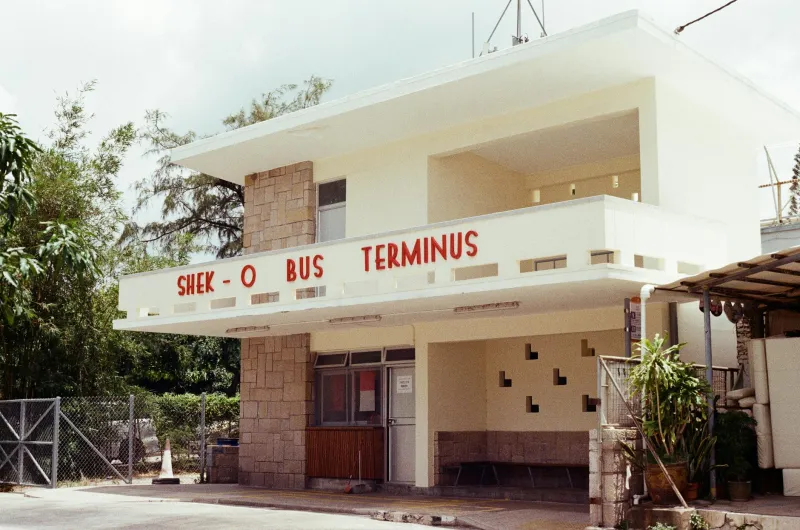
 Photo: Department of Motor Vehicles, via i.servimg.com
The Ritual of Suffering
In 1995, getting your driver's license renewed wasn't a quick errand you squeezed between lunch and a meeting. It was a half-day commitment that required strategic planning, usually involving taking time off work or sacrificing a precious Saturday morning. You'd arrive at the DMV building — typically a windowless concrete structure that looked like it was designed by someone who actively hated human comfort — and immediately join what appeared to be a refugee line.
The process began before you even entered the building. Smart DMV veterans would scout the parking lot first, because finding a space often took longer than the actual renewal process. Once inside, you'd grab a numbered ticket from a machine that looked like it belonged in a 1970s deli counter, then settle in for what everyone understood would be a marathon wait.
The Paper Chase
What made the pre-digital DMV experience particularly brutal wasn't just the waiting — it was the documentation dance. Renewing your license required bringing physical proof of everything: your current license, birth certificate, Social Security card, two pieces of mail showing your current address, and sometimes additional documents if your name had changed or if you'd moved from another state.
Forget one piece of paper? Start over. Come back another day. The DMV clerks operated with the efficiency of molasses and the flexibility of concrete. There were no digital records to pull up your information, no online verification systems, and definitely no sympathy for your scheduling conflicts.
The forms themselves were works of bureaucratic art — multi-part carbon copies that had to be filled out in black ink, with no corrections allowed. Make a mistake while writing your address? Here's a fresh form, please step to the back of the line.
Technology From Another Era
The DMV's technology in the 1980s and 1990s would look prehistoric to modern eyes. Computers, when they existed at all, were green-screen terminals that seemed to process information at the speed of continental drift. Many offices still used typewriters for official documents, and the photo equipment produced driver's license pictures that made everyone look like they were wanted for questioning.
The eye exam involved reading letters off a chart that hadn't been updated since the Carter administration, and the written test was administered on paper with a No. 2 pencil — the same technology your grandparents used in school.
The Great Transformation
Today's DMV experience, while still not exactly pleasant, represents a quantum leap forward. Online renewals handle most routine transactions, appointment systems eliminate the worst of the waiting, and digital records mean you don't need to carry a briefcase full of documents to prove you exist.
Many states now offer 24/7 online services for license renewals, vehicle registration, and address changes. The same transaction that once required a half-day ordeal can now be completed in five minutes from your kitchen table. Modern DMV offices use digital cameras for photos, electronic signature pads, and computer systems that actually talk to other government databases.
What We Lost and Gained
The old DMV system was undeniably inefficient, but it did create a peculiar form of shared American experience. Everyone had DMV horror stories, and complaining about DMV wait times was a universal conversation starter. There was something democratically miserable about the experience — rich or poor, young or old, everyone suffered equally in those fluorescent-lit waiting rooms.
The digital transformation solved the efficiency problem but eliminated one of the few remaining places where Americans from all walks of life were forced to wait together, sharing the same frustration and occasionally the same gallows humor.
The Numbers Tell the Story
In 1990, the average DMV visit took 3.5 hours from arrival to departure. Today, with appointments and online services, most in-person visits are completed in under 30 minutes. What once required clearing your entire afternoon now takes less time than a typical lunch break.
The shift happened gradually, then suddenly. States began implementing online services in the early 2000s, but the real acceleration came after 2010 when smartphones made digital transactions feel natural rather than intimidating. The COVID-19 pandemic finished the job, forcing even the most change-resistant DMV offices to embrace digital-first operations.
 Photo: COVID-19 pandemic, via as2.ftcdn.net
Looking back, the old DMV system seems almost quaint in its inefficiency — a relic from an era when showing up in person was the only way to prove you were who you claimed to be. Today's streamlined process would seem like science fiction to someone who spent their afternoon in a plastic chair, watching numbers crawl by on an LED display, wondering if they'd make it home before dinner.