Storage Wars: How America's Garages Surrendered to Christmas Decorations and Exercise Equipment
The Sacred Automotive Temple
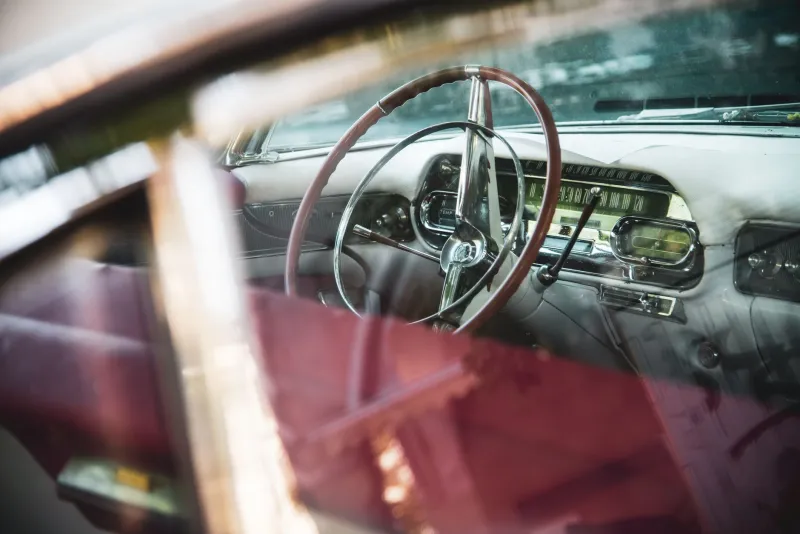
In 1955, the American garage represented automotive reverence. Families saved for months to afford a car, and once they owned one, protecting it from the elements was a sacred responsibility. The garage wasn't just a building — it was a shrine to mechanical achievement, a climate-controlled sanctuary where the family's most valuable possession rested between journeys.
Post-war suburban homes were designed around the garage. Architects positioned these structures prominently, often connected directly to the house through a breezeway or mudroom. The message was clear: the automobile deserved protection, respect, and a dedicated space that reflected its importance to family life.
The Golden Age of Garage Culture
During the 1950s and 1960s, garages served their intended purpose with religious devotion. Saturday mornings meant washing and waxing in the driveway, followed by careful parking inside the garage. Tools hung on pegboards in organized precision. Oil stains were immediately cleaned. The concrete floor might have been painted or sealed to create a showroom-worthy environment.
Many homeowners treated their garages as extensions of their living space. They installed workbenches for weekend automotive maintenance, added cabinets for organizing car care supplies, and even heated the space during winter months. The garage represented self-sufficiency — a place where mechanical problems could be diagnosed and solved without outside help.
The Invasion of Stuff
Something shifted in the 1970s and accelerated through the following decades. American consumer culture exploded, and houses began filling with possessions that needed storage. Christmas decorations multiplied from a single box to elaborate seasonal displays requiring multiple storage units. Exercise equipment promised fitness transformations but delivered awkward bulk that needed hiding places.
Simultaneously, cars became more reliable and weather-resistant. Improved paint finishes and rust-proofing reduced the urgency of sheltering vehicles from the elements. Automobiles transformed from precious mechanical investments requiring constant care to appliances expected to function regardless of weather exposure.
The Great Displacement
By the 1990s, the average American garage had surrendered to suburban sprawl. Holiday decorations claimed corners and ceiling space. Exercise bikes and treadmills — symbols of abandoned fitness resolutions — occupied prime real estate. Power tools, lawn equipment, and seasonal sporting goods filled remaining floor space. The family car, once the garage's honored resident, found itself banished to the driveway.
This displacement happened gradually, almost imperceptibly. First, just a few boxes of seasonal items found temporary storage in unused corners. Then came the exercise equipment that would definitely get used regularly. Garden tools needed shelter from rain. Pool supplies required winter storage. Each addition seemed reasonable individually, but collectively they staged a bloodless coup against automotive occupancy.
The Storage Unit Syndrome
Modern American garages function as household overflow facilities rather than automotive shelters. Studies indicate that less than 30% of two-car garages actually house two vehicles. Many can't accommodate even one car due to accumulated possessions. The irony is profound: structures built specifically for automotive protection have been repurposed for storing items of far less value.
This transformation reflects broader changes in American lifestyle and priorities. Cars became commodities rather than investments. The emotional attachment that once drove garage devotion transferred to other possessions — electronics, hobby equipment, children's toys. The garage became a catch-all solution for items that didn't fit elsewhere in increasingly crowded homes.
The Organizational Industrial Complex
Entire industries emerged to help Americans manage garage storage chaos. Container Store built an empire selling organizational systems for suburban garages. Television shows like "Clean House" and "Hoarders" featured garage transformations as dramatic entertainment. Professional organizers developed specialties in garage optimization, promising to restore automotive access through better storage solutions.
 Photo: Container Store, via images.prismic.io
These efforts typically focused on efficiency rather than purpose. The goal became fitting more stuff into garage space rather than questioning why cars had been evicted from their intended homes. Elaborate shelving systems and overhead storage platforms maximized capacity while accepting that automobiles would remain outdoors.
Weather-Beaten Consequences
The practical consequences of garage displacement are measurable. Cars parked permanently outdoors experience accelerated wear from UV exposure, temperature fluctuations, and weather damage. Paint fades faster, interiors deteriorate more quickly, and mechanical components suffer from temperature extremes. The long-term costs of outdoor parking often exceed the value of items stored in the garage.
Beyond financial implications, outdoor parking creates daily inconveniences. Scraping ice from windshields, dealing with sun-baked interiors, and cleaning bird droppings become routine hassles. The garage's climate-controlled environment, originally designed for automotive comfort, instead shelters exercise equipment that rarely gets used and holiday decorations accessed twice yearly.
The Minimalism Rebellion
Recent years have seen growing awareness of garage dysfunction, driven partly by minimalism movements and Marie Kondo-inspired decluttering. Some homeowners have rediscovered the satisfaction of parking indoors, undertaking major purges to reclaim automotive space. These garage rehabilitations often reveal how much accumulated stuff serves no practical purpose.
 Photo: Marie Kondo, via i.pinimg.com
However, systemic change remains limited. New suburban homes continue designing garages as automotive spaces while families continue accumulating possessions that need storage. The fundamental tension between intended purpose and actual usage persists, with most garages remaining automotive graveyards filled with household overflow.
Digital Age Implications
Technology has complicated garage utilization further. Electric vehicles require charging infrastructure, potentially reclaiming garage space for automotive purposes. However, the same technology that enables online shopping has accelerated possession accumulation, creating even more storage pressure. Amazon deliveries and impulse purchases generate continuous streams of items seeking garage sanctuary.
Smart home technology promises better garage organization through automated storage systems and inventory tracking, but these solutions address symptoms rather than causes. The fundamental question remains whether American families need all the possessions currently colonizing their garages.
Reclaiming Automotive Sanctuary
The path back to garage functionality requires confronting uncomfortable truths about American consumption habits. Most garage-stored items could be eliminated without meaningful lifestyle impact. Exercise equipment gathering dust represents aspirational purchases rather than practical necessities. Seasonal decorations often multiply beyond any reasonable display requirements.
Restoring garages to automotive service demands intentional choices about possession priorities. The car, once America's most prized possession, deserves consideration against competition from accumulated household debris. Climate-controlled automotive storage provides measurable benefits that justify displacing items of questionable value.
The American garage tells a story about changing relationships with both automobiles and possessions. What began as automotive temples became suburban storage facilities, reflecting broader shifts in consumer culture and automotive appreciation. Reclaiming these spaces requires remembering their original purpose and questioning whether we really need all the stuff that displaced our cars.