Wood Grain and Wonder: How the Station Wagon Accidentally Created the Greatest Family Road Trip Vehicle Ever Built
The 1978 Chevrolet Caprice Classic Estate Wagon could haul eight people, two weeks of luggage, and a cooler full of bologna sandwiches from Detroit to Disney World without breaking a sweat. More importantly, it forced every passenger to share the same temperature, the same radio station, and the same increasingly stale air for the entire 1,200-mile journey. By today's standards, it sounds like torture. By yesterday's standards, it was just Tuesday.
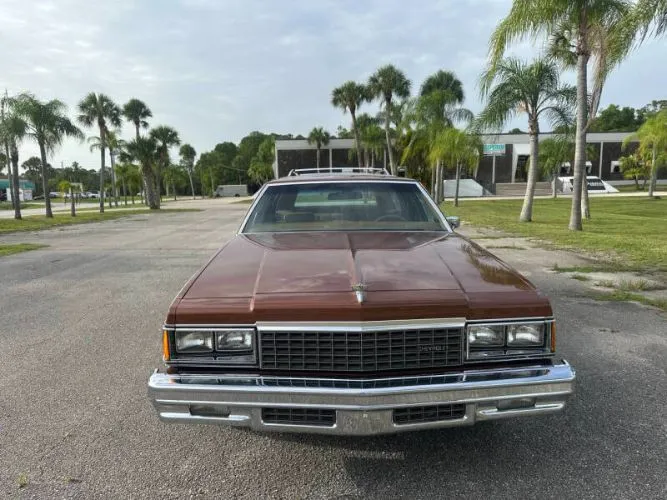 Photo: 1978 Chevrolet Caprice Classic Estate Wagon, via www.totalwebmanager.com
 Photo: Disney World, via disneyparksblog.com
The Accidental Genius of Forced Togetherness
Station wagons weren't designed to create family bonding — they were designed to haul stuff. Lots of stuff. The rear-facing third-row seats weren't installed for safety or comfort; they were there because someone figured out you could cram more kids into the same space if half of them faced backward.
But this utilitarian approach accidentally created something modern family vehicles have lost: shared experience. When eight people are crammed into one metal box with no individual entertainment options, they're forced to entertain each other. The result was a generation raised on car games, family singalongs, and the fine art of backseat negotiation.
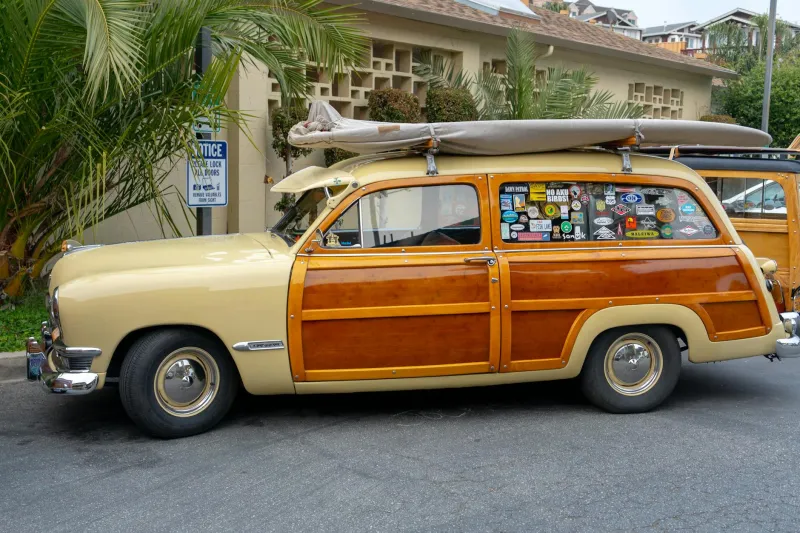
The wood-grain paneling wasn't just decoration — it was a statement. This vehicle announced to the world that your family was serious about going places together, whether those places wanted them or not. The fake wood said "suburban adventure machine" in a way that no modern SUV badge can match.
When One Size Actually Fit All
Every American automaker built their version of the family hauler, but they were all fundamentally the same beast: long, low, and equipped with enough cargo space to relocate a small village. The Ford Country Squire, Oldsmobile Custom Cruiser, Buick Estate Wagon — different badges on the same basic formula of maximum people-moving capacity with minimum fuss.
These weren't luxury vehicles trying to cosplay as living rooms. They were honest workhorses designed to survive the chaos of family life. The vinyl seats could be hosed down after juice box incidents. The rear window rolled down completely, creating an instant drive-through conversation with the kids in the way-back. Everything was built to be simple, durable, and repairable by any mechanic in America.
Air conditioning was optional and often overwhelmed by the sheer volume of space it was trying to cool. This meant windows stayed down, which meant families actually experienced the places they drove through. You smelled the farm country, felt the humidity change as you crossed state lines, and heard the sounds of different regions. Travel was a full-sensory experience, not a climate-controlled isolation chamber.
The Democracy of Discomfort
Modern three-row SUVs are marvels of individual comfort management. Captain's chairs with personal climate controls. Individual entertainment screens. Noise-canceling headphones. Everyone gets their own perfectly customized environment, which means nobody has to compromise or adapt or, frankly, interact with anyone else.
The station wagon offered no such luxury. Everyone shared the same temperature (usually too hot), the same radio station (usually Dad's choice), and the same increasingly cramped conditions as the miles accumulated. This democratic discomfort forced families to develop coping mechanisms that looked a lot like actual family bonding.
Kids learned to entertain themselves and each other. Parents developed strategies for managing chaos that didn't involve handing everyone a screen. The journey became part of the destination because there was literally nothing else to do but experience it together.
The Lost Art of Automotive Multitasking
Station wagons were Swiss Army knives on wheels. They hauled kids to soccer practice, furniture to college dorms, camping gear to national parks, and Christmas trees home from the lot. The same vehicle that served as the family's primary transportation could transform into a moving truck, camping shelter, or mobile command center for Little League tournaments.
That versatility came from honest, practical design. Fold-down rear seats created a flat cargo floor. Roof racks could handle kayaks, bicycles, or vacation luggage. The tailgate doubled as a picnic table or impromptu seating for outdoor events. One vehicle truly did it all, which meant families learned to make do with what they had rather than buying specialized equipment for every activity.
When Bigger Actually Was Better
The irony of the station wagon's demise is that modern families need more cargo space than ever, not less. Today's SUVs promise three rows of seating but deliver less usable cargo space than a 1975 Oldsmobile wagon. The pursuit of individual comfort and safety has created vehicles that are simultaneously larger and less practical than their predecessors.
Modern family vehicles are engineering marvels designed to eliminate every possible source of discomfort or inconvenience. But in solving those problems, they've also eliminated the happy accidents that made family road trips memorable. The shared struggle of surviving 800 miles in a rolling sauna. The negotiations over radio stations. The creative solutions kids developed when boredom struck somewhere in Kansas.
The End of the Family Spaceship
The last traditional station wagon rolled off American assembly lines in the 1990s, killed by changing safety regulations, shifting consumer preferences, and the rise of the SUV. What replaced them were vehicles designed around individual comfort rather than family functionality.
Today's family road trips happen in climate-controlled silence, with each passenger absorbed in their own entertainment. It's undeniably more comfortable, but it's also more isolated. The station wagon's greatest achievement wasn't hauling cargo — it was accidentally creating a mobile space where families had no choice but to be families together.
The wood grain may have been fake, but the memories were real.