Earl's Empire: When Your Local Used Car Dealer Actually Knew Every Rust Spot by Heart
The Kingdom of Earl
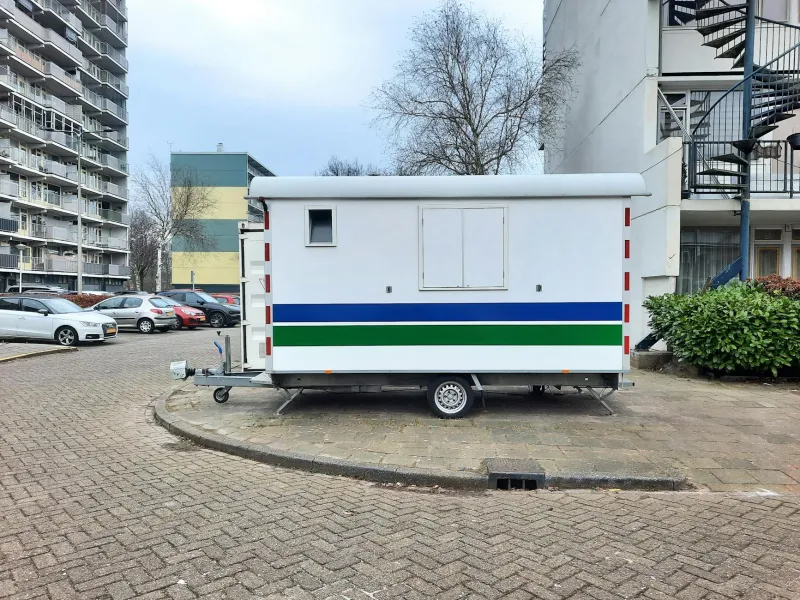
Drive through any American town in 1975, and you'd find him on the edge of the commercial district: Earl, or maybe it was Sal or Big Jim. He owned a gravel lot with maybe thirty cars, a trailer that served as an office, and a reputation that extended exactly as far as people could drive to spread word-of-mouth. This was the golden age of the independent used car dealer, when buying a vehicle meant entering into a relationship rather than completing a transaction.
Earl knew stories. The blue Impala came from Mrs. Henderson, who only drove it to church and the grocery store. The pickup truck belonged to a contractor who maintained it religiously but needed something bigger. The sedan with the dent in the passenger door? That was from a college kid whose parents were helping with the down payment on something more reliable.
 Photo: Mrs. Henderson, via lady.co.uk
The Personal Touch Economy
Independent dealers operated on intimate knowledge of their inventory and customers. Earl remembered which cars had been pampered and which ones had lived hard lives. He knew that the Buick's air conditioning worked perfectly but the radio was temperamental. He understood that the Ford's transmission was solid but the paint would need attention in a year or two.
More importantly, Earl knew his customers. He recognized when someone was stretching their budget and might steer them toward a less flashy but more reliable option. He understood when a young family needed financing flexibility and when a cash buyer was looking for a project car. These weren't sales tactics — they were community relationships built over decades of face-to-face interactions.
The Handshake Financing Era
Before credit scores became the ultimate arbiter of automotive access, independent dealers exercised human judgment. Earl might finance a car for someone whose credit report looked sketchy but whose character references checked out. He'd work out payment plans based on harvest schedules for farmers or seasonal work patterns for construction crews.
This system had built-in accountability. Everyone knew where Earl's lot was located. If someone defaulted on payments, they'd have to drive past his business every day, facing the social consequences of a broken agreement. The community aspect of car buying created natural incentives for honesty on both sides of the transaction.
The Rise of Corporate Efficiency
CarMax changed everything when it introduced the no-haggle, standardized pricing model in 1993. Suddenly, car buying became predictable and uniform. Every vehicle received a detailed inspection, fair market pricing, and a warranty. The guesswork disappeared, along with the personal relationships that had defined the industry.
Carvana took corporate efficiency even further, eliminating human interaction entirely. Customers could browse inventory, arrange financing, and schedule delivery without ever speaking to another person. The car vending machine concept turned vehicle purchasing into something resembling ordering from Amazon — convenient, predictable, and completely impersonal.
What We Gained and Lost
Modern used car buying offers undeniable advantages. Corporate dealers provide transparent pricing, standardized inspections, and reliable warranties. Customers can research vehicles online, compare prices across multiple locations, and complete purchases without worrying about high-pressure sales tactics. The process is faster, more efficient, and generally more trustworthy.
But something essential vanished along with Earl's gravel lot. The independent dealer served as more than a car salesman — he was a community fixture who understood local needs and circumstances. He might let a struggling family drive a car for a week before deciding, or throw in new tires because he knew they couldn't afford the extra expense.
The Algorithm Knows All
Today's used car market operates on data rather than relationships. Pricing algorithms analyze thousands of comparable sales to determine fair market value. Computer systems evaluate credit scores and employment history to approve financing. The process is mathematically precise but emotionally hollow.
Carvana's online platform can tell you everything about a vehicle's maintenance history and accident reports, but it can't tell you that the previous owner was a retired teacher who babied the car for fifteen years. CarMax's standardized inspections catch mechanical issues that Earl might have missed, but they can't capture the intangible qualities that made certain vehicles special.
The Community Connection
Independent dealers weren't just selling cars — they were facilitating relationships between community members. Earl might introduce a young family buying their first car to his mechanic, his insurance agent, or even his banker. The used car lot served as an informal networking hub where people connected over shared automotive needs.
These dealers also provided second chances. Someone with poor credit or a complicated financial situation could still find transportation through personal relationships and character references. Earl might have been taking a risk, but he was also providing opportunities that corporate algorithms would automatically reject.
The Endangered Species
Independent used car dealers haven't completely disappeared, but they've been relegated to the margins of the market. Those who survive often specialize in specific niches — exotic cars, classic vehicles, or budget transportation for customers with credit challenges. The mainstream market has been captured by corporate chains that prioritize efficiency over personal service.
The few remaining Earls operate differently than their predecessors. They compete with corporate pricing transparency, offer certified pre-owned vehicles, and maintain professional websites. They've adapted to modern expectations while trying to preserve some element of personal service.
Efficiency vs. Humanity
The transformation of used car buying represents a broader shift in American commerce — the prioritization of efficiency over relationship. Corporate dealers solved real problems: inconsistent pricing, unreliable vehicles, and predatory financing. But they also eliminated the human elements that made car buying feel like a community activity rather than a commercial transaction.
Earl's lot might have been rough around the edges, but it operated on principles of personal accountability and community trust. Modern car buying is safer, more predictable, and more efficient — but it's also more isolated and impersonal. We gained consumer protection but lost the feeling that someone was personally invested in our automotive success.
Progress gave us better cars and fairer deals, but it cost us the relationships that made buying them feel like joining a neighborhood rather than just completing a purchase.