How different was the world before today?

Then This Now

How different was the world before today?

Latest Articles

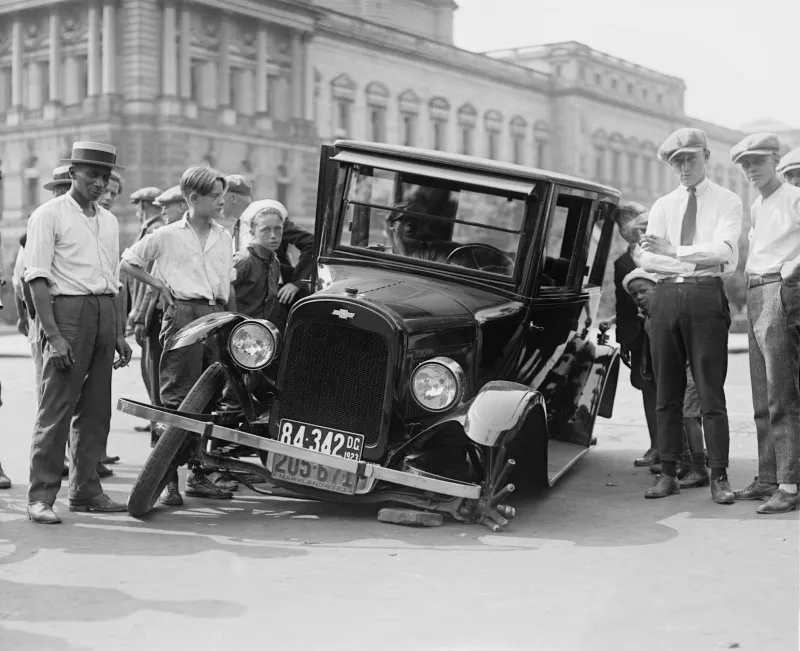
When Your Mechanic Knew Your Car Better Than You Did: The Death of the Neighborhood Fix-It Shop
Technology

When Your Mechanic Knew Your Car Better Than You Did: The Death of the Neighborhood Fix-It Shop

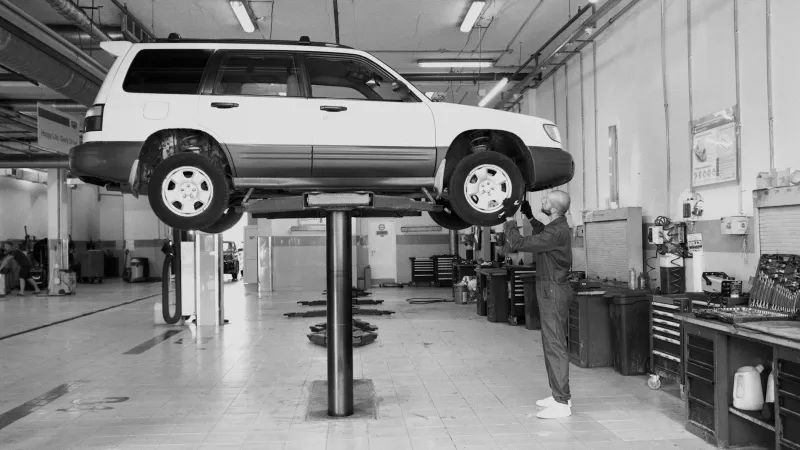
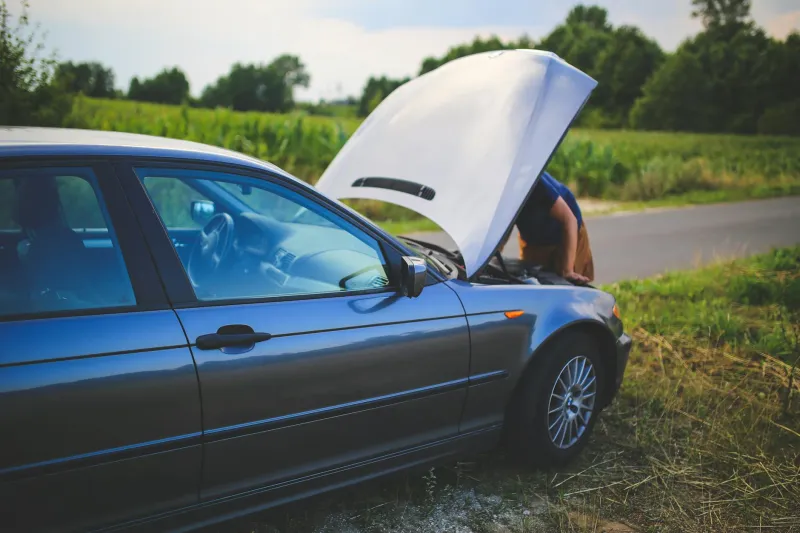
In the 1970s, a shade-tree mechanic with a socket set and a cigarette could diagnose and repair almost anything under the hood. Today, a check-engine light requires a $5,000 diagnostic scanner and a trip to the dealership. What we gained in reliability, we lost in self-reliance.

From Showroom Hostage to Online Shopper: How the Internet Flipped the Car-Buying Power Dynamic
Finance

From Showroom Hostage to Online Shopper: How the Internet Flipped the Car-Buying Power Dynamic

In 1995, buying a car meant walking onto a dealership lot where salesmen controlled all the information and held all the power. Today, buyers research prices online, compare inventory across states, and negotiate from a position of strength. The shift reveals how information asymmetry once made car buying one of America's most stressful financial transactions.

When Borrowing Money for a Car Was Something to Be Ashamed Of
Finance

When Borrowing Money for a Car Was Something to Be Ashamed Of

For much of the twentieth century, financing a car was viewed by many American families as a sign of poor planning — something you did only if you hadn't saved properly. Today, the average new car loan runs longer than six years, and monthly payments have become the default way most people measure what they can afford. The shift in mindset happened gradually, but the distance between then and now is enormous.

Unfolding the Map: What Finding Your Way Used to Actually Cost You
Travel

Unfolding the Map: What Finding Your Way Used to Actually Cost You

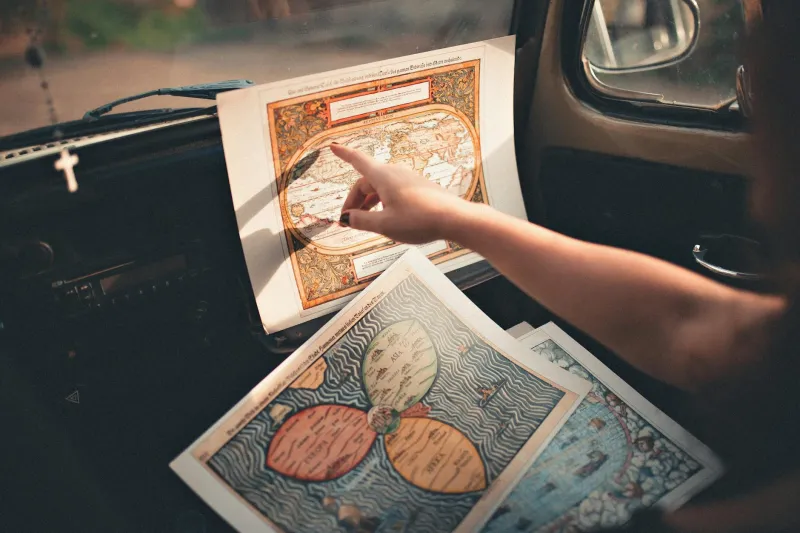
Before a calm voice told you to turn left in 400 feet, American drivers navigated with folded paper, hand-scrawled notes, and the occasional argument at a gas station. Getting somewhere unfamiliar was a genuine challenge that demanded real preparation — and sometimes a healthy tolerance for being lost.

Pull Up, Sit Back, and Let Someone Else Handle It: The Lost Art of the Full-Service Gas Station
Travel

Pull Up, Sit Back, and Let Someone Else Handle It: The Lost Art of the Full-Service Gas Station

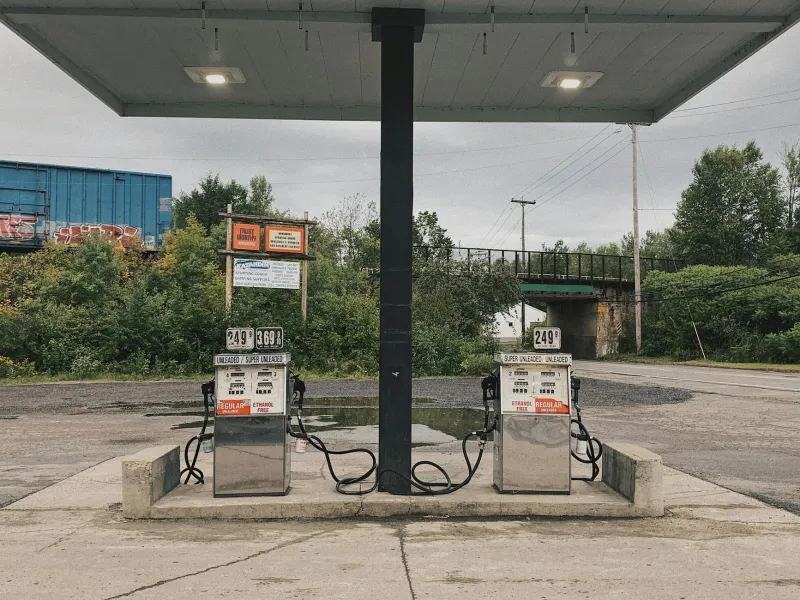
There was a time in America when stopping for gas meant a small army of attendants descended on your car before you could even roll down the window. No swiping, no pumping, no stepping out into the cold — just genuine, unhurried service. Here's what we traded away when self-serve took over.

When $2,000 Could Park a Brand-New Car in Your Driveway — Where Did All That Money Go?
Finance

When $2,000 Could Park a Brand-New Car in Your Driveway — Where Did All That Money Go?

In the 1950s, a shiny new American car cost roughly what a decent used smartphone runs today. Decades later, the average new vehicle sticker price has blown past $48,000 — and the reasons why say a lot about who we've become as drivers, consumers, and a society.

Same Yellow Lines, Totally Different Trip: What a Road Vacation Actually Looked Like in 1965
Travel

Same Yellow Lines, Totally Different Trip: What a Road Vacation Actually Looked Like in 1965

The open road has always promised freedom — but the version of that freedom available in 1965 looked almost nothing like the GPS-guided, podcast-soundtracked, lane-assist-assisted journey you'd take today. Buckle up. Or don't, because in 1965, that was still optional.

The 50,000-Mile Throwaway: How Americans Once Accepted That Cars Simply Wore Out
Technology

The 50,000-Mile Throwaway: How Americans Once Accepted That Cars Simply Wore Out

There was a time in America when hitting 100,000 miles on your odometer wasn't an achievement — it was basically a eulogy. Engines burned out, transmissions failed, and rust claimed the rest. The story of how that changed is one of the most underappreciated engineering transformations of the last half-century.