How different was the world before today?

Then This Now

How different was the world before today?

Latest Articles

When American Driveways Were Rainbows: The Death of Colorful Cars
Technology

When American Driveways Were Rainbows: The Death of Colorful Cars

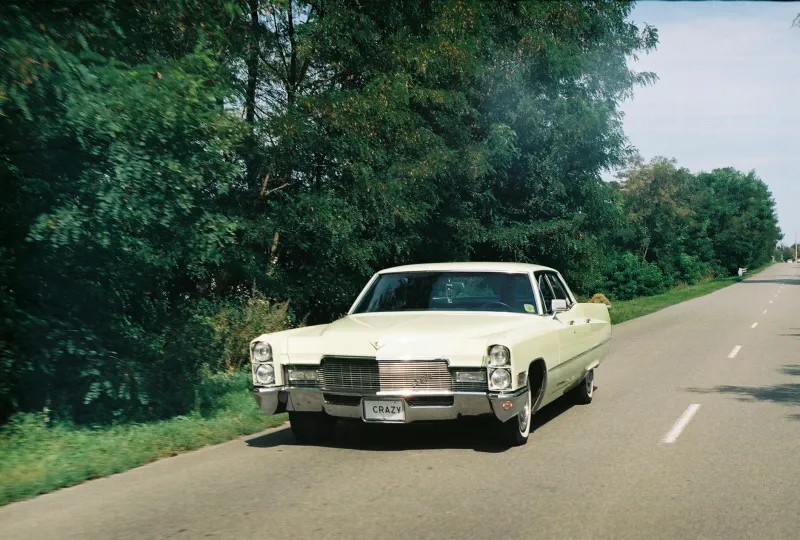
American roads once blazed with turquoise Thunderbirds and lime green Camaros. Today, 80% of new cars are white, black, gray, or silver. Here's how we went from automotive rainbow to monochrome monotony.

When Every Main Street Was Also a Highway: America's Pre-Interstate Road Maze
Travel

When Every Main Street Was Also a Highway: America's Pre-Interstate Road Maze

Before the Interstate Highway System transformed American travel, every cross-country journey meant navigating through the heart of hundreds of small towns, dodging livestock, and praying your route didn't disappear into a muddy field. The roads that connected America were barely more than glorified country lanes.

Your Local Oracle Behind the Pump: When Gas Station Attendants Were America's Original Search Engine
Travel

Your Local Oracle Behind the Pump: When Gas Station Attendants Were America's Original Search Engine

Before Google Maps and Yelp, American road trips relied on a network of uniformed experts who dispensed directions, dining recommendations, and local wisdom alongside every fill-up. These corner-store consultants transformed routine fuel stops into information exchanges that kept travelers connected to the world around them.

The Art of Talking Your Way Out of Trouble: When Traffic Stops Were Human Conversations
Technology

The Art of Talking Your Way Out of Trouble: When Traffic Stops Were Human Conversations

Before radar guns and speed cameras, getting pulled over was a genuine conversation between two people. The outcome depended on your story, the officer's mood, and a uniquely American art form that's nearly extinct today.

Handshake Deals and Paper Napkin Negotiations: When Car Crashes Were Settled Street-Side
Finance

Handshake Deals and Paper Napkin Negotiations: When Car Crashes Were Settled Street-Side

Before smartphones and instant insurance apps, getting into a fender bender meant pulling over and working it out face-to-face with a stranger. No photos, no apps, no GPS coordinates — just two drivers, a dented bumper, and whatever trust they could muster.

When Thumbs Up Meant Safe Passage: How America's Roadside Trust Vanished Overnight
Travel

When Thumbs Up Meant Safe Passage: How America's Roadside Trust Vanished Overnight

From the 1930s through the 1970s, hitchhiking was as American as apple pie — a practical transportation network built on mutual trust between strangers. Today, the same journey requires apps, background checks, and five-star ratings to accomplish what a simple thumb once did.

When Strangers Were Just Friends You Hadn't Met Yet: America's Lost Highway Trust System
Travel

When Strangers Were Just Friends You Hadn't Met Yet: America's Lost Highway Trust System

For decades, millions of Americans routinely stuck out their thumbs and climbed into cars with complete strangers. What happened to the culture of trust that made hitchhiking as normal as taking the bus?

Driving Blind After Dark: When America's Roads Disappeared at Sunset
Travel

Driving Blind After Dark: When America's Roads Disappeared at Sunset

Before highway lighting and reflective paint transformed nighttime driving, Americans faced pitch-black roads with nothing but dim headlights and prayer. The simple act of driving after sunset was once a genuinely perilous adventure that required skills most modern drivers can't imagine.

Rolling the Dice at Every Exit: When America's Rest Stops Were Actually Scary Places to Stop
Travel

Rolling the Dice at Every Exit: When America's Rest Stops Were Actually Scary Places to Stop

Before modern amenities and online reviews, pulling off the highway meant taking your chances with mystery facilities that might not even have running water. Today's clean, well-lit rest areas are a far cry from the roadside roulette that defined American road trips for decades.

The Sweet Chaos of Not Knowing Where You Were Going: How America Lost Its Love Affair with Getting Lost
Travel

The Sweet Chaos of Not Knowing Where You Were Going: How America Lost Its Love Affair with Getting Lost

Before GPS turned every drive into a predictable point-A-to-point-B journey, getting lost was half the fun of hitting the road. We traded serendipity for efficiency, and something beautiful disappeared along the way.

The Day America Decided Anyone Could Drive: How Driver's Tests Went From Proving Your Worth to Checking a Box
Technology

The Day America Decided Anyone Could Drive: How Driver's Tests Went From Proving Your Worth to Checking a Box

Getting your driver's license used to be a genuine achievement that required months of preparation and real driving skill. Today's streamlined tests bear little resemblance to the rigorous examinations that once separated qualified drivers from hopeful teenagers.

When Every Mile Was a Mystery: The Lost Art of Navigating America Without a Clue
Travel

When Every Mile Was a Mystery: The Lost Art of Navigating America Without a Clue

Before GPS turned every road trip into a predictable point-and-click journey, Americans embarked on cross-country adventures armed with nothing but folded paper maps, handwritten directions, and an extraordinary tolerance for getting completely lost.

When Buckling Up Was for Cowards: How America Learned to Love the Seatbelt
Technology

When Buckling Up Was for Cowards: How America Learned to Love the Seatbelt

In the 1960s, wearing a seatbelt was seen as admitting you couldn't drive. Today, not wearing one feels reckless and irresponsible. The transformation of this simple safety device reveals how dramatically our relationship with risk has changed.

When Your Car Radio Had Three Buttons and You Were Lucky to Get Two Stations
Technology

When Your Car Radio Had Three Buttons and You Were Lucky to Get Two Stations

Remember when finding something decent to listen to in your car meant frantically spinning a dial and hoping for the best? Today's drivers have access to millions of songs at their fingertips, but it wasn't always this way.

When Anyone Could Pop the Hood and Actually Fix Something — Before Cars Became Computers on Wheels
Technology

When Anyone Could Pop the Hood and Actually Fix Something — Before Cars Became Computers on Wheels

There was a time when breaking down didn't mean calling a tow truck to the nearest dealership. A toolbox, some elbow grease, and maybe a neighbor's advice could get you back on the road — until software decided otherwise.

When Your Car Dashboard Was Just Needles and Knobs — Before It Became a Computer Screen
Technology

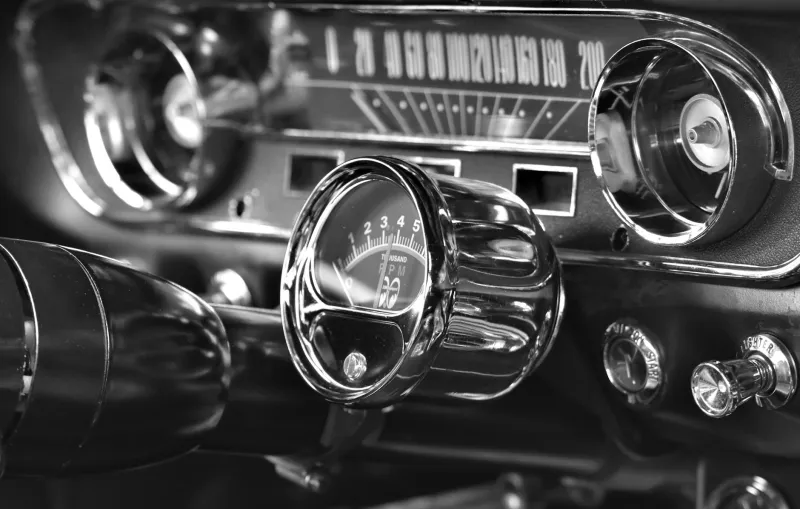
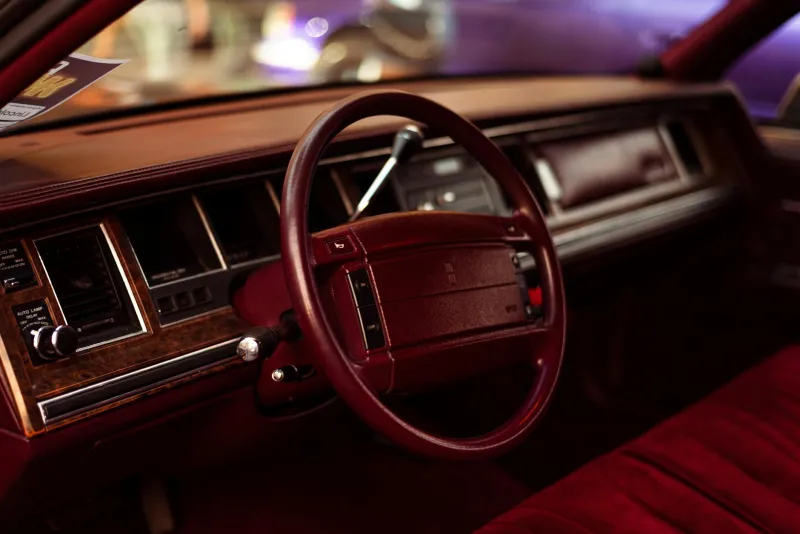
When Your Car Dashboard Was Just Needles and Knobs — Before It Became a Computer Screen

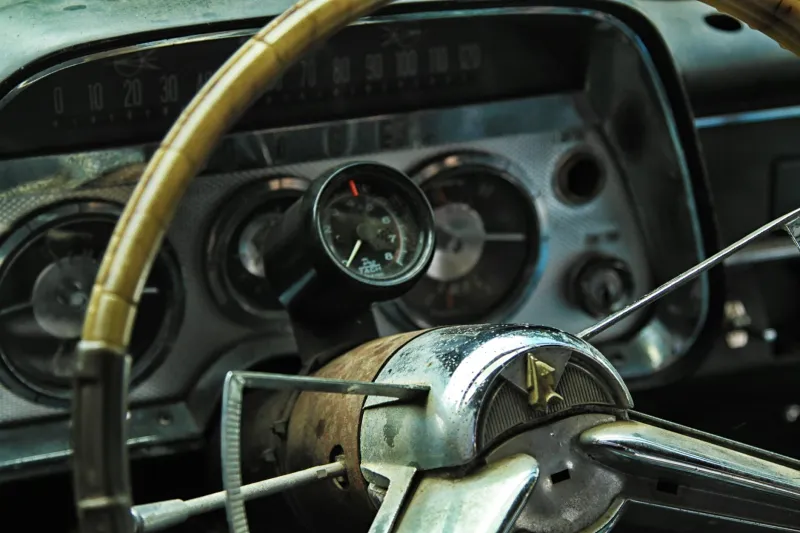
The dashboard in your grandfather's Buick had maybe six gauges and an AM radio. Today's cars pack more computing power than NASA used to reach the moon — all behind a single glowing screen where those simple dials used to live.

Mirrors and Blind Faith: How We Used to Reverse Without Seeing Anything
Technology

Mirrors and Blind Faith: How We Used to Reverse Without Seeing Anything

In 1985, backing up a car meant craning your neck, checking mirrors, and hoping nothing was behind you. Today, most vehicles have cameras, sensors, and automatic braking that would have seemed like science fiction. The shift reveals how much danger we once accepted as inevitable.

From Showroom Hostage to Online Shopper: How the Internet Flipped the Car-Buying Power Dynamic
Finance

From Showroom Hostage to Online Shopper: How the Internet Flipped the Car-Buying Power Dynamic

In 1995, buying a car meant walking onto a dealership lot where salesmen controlled all the information and held all the power. Today, buyers research prices online, compare inventory across states, and negotiate from a position of strength. The shift reveals how information asymmetry once made car buying one of America's most stressful financial transactions.

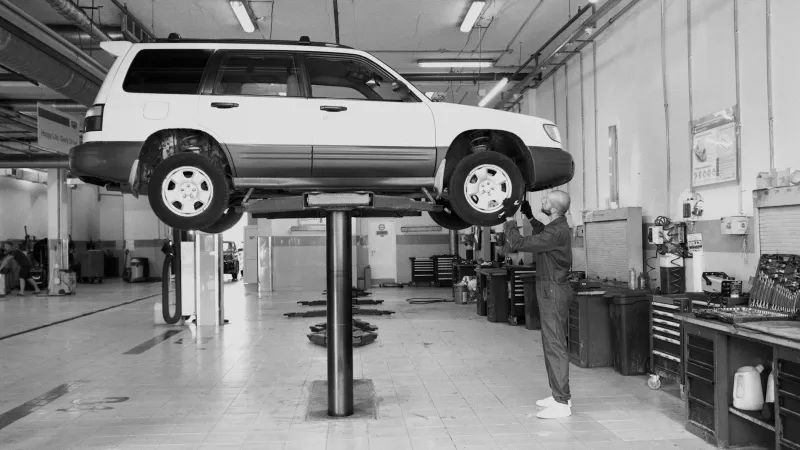
When Your Mechanic Knew Your Car Better Than You Did: The Death of the Neighborhood Fix-It Shop
Technology

When Your Mechanic Knew Your Car Better Than You Did: The Death of the Neighborhood Fix-It Shop

In the 1970s, a shade-tree mechanic with a socket set and a cigarette could diagnose and repair almost anything under the hood. Today, a check-engine light requires a $5,000 diagnostic scanner and a trip to the dealership. What we gained in reliability, we lost in self-reliance.

Unfolding the Map: What Finding Your Way Used to Actually Cost You
Travel

Unfolding the Map: What Finding Your Way Used to Actually Cost You

Before a calm voice told you to turn left in 400 feet, American drivers navigated with folded paper, hand-scrawled notes, and the occasional argument at a gas station. Getting somewhere unfamiliar was a genuine challenge that demanded real preparation — and sometimes a healthy tolerance for being lost.