Neon Salvation: When a Glowing Drive-Through Was Your Only Hope at 3 AM
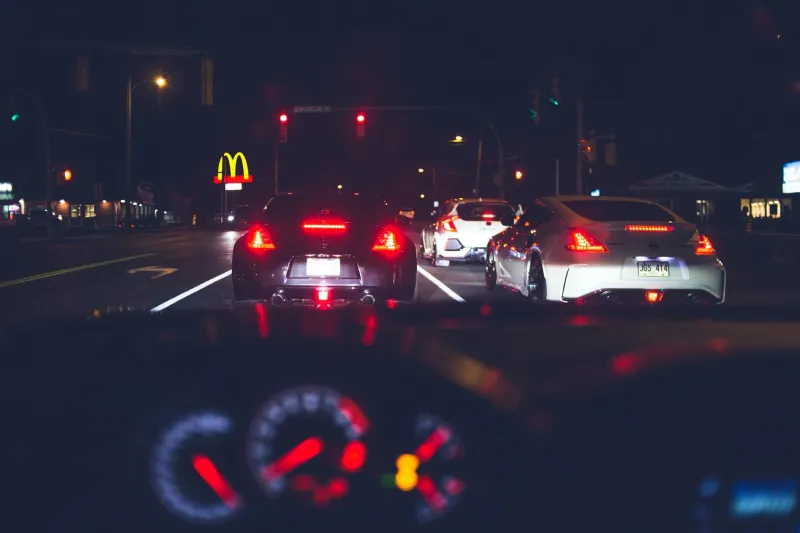
Picture this: It's 2:47 AM in 1982, and you're driving through rural Nebraska with a quarter tank of gas, three cranky kids in the back seat, and absolutely no idea where the next open business might be. Then, like a beacon cutting through the prairie darkness, you spot it — the warm glow of a McDonald's drive-through window, staffed by a teenager who might as well be your personal savior.
When America Actually Closed for the Night
Back then, finding food after midnight wasn't a matter of tapping an app. Most of America simply shut down when the sun went down. Gas stations locked their doors at 10 PM. Restaurants rolled up their welcome mats even earlier. Convenience stores were still figuring out the "convenience" part of their business model.
The 24-hour drive-through wasn't just a business strategy — it was a public service. Fast food chains had accidentally become the unofficial rest stops of American highways, the only guaranteed signs of life in a landscape that could feel genuinely desolate after dark.
Truckers knew every late-night window between Los Angeles and Atlanta. Traveling families planned entire road trips around which routes had reliable midnight burger joints. College students driving home for break could navigate by the glow of drive-through menus alone.
 Photo: Los Angeles, via c8.alamy.com
The Sacred Ritual of the Night Window
There was something almost ceremonial about pulling up to that illuminated menu board at 2 AM. The crackly intercom voice asking "Can I help you?" felt like contact with another planet. You didn't just order food — you ordered reassurance that civilization still existed somewhere in the darkness.
The menu choices were limited but somehow perfect for the hour. A Big Mac and fries at 3 AM tasted different than the same meal at noon. It carried the weight of gratitude, the relief of the rescued. The coffee was terrible, but it was hot and caffeinated and available when nothing else was.
Working the overnight drive-through shift meant becoming an unofficial highway counselor. These minimum-wage heroes dispensed directions along with burgers, listened to the rambling stories of exhausted drivers, and occasionally called tow trucks for stranded motorists who'd stumbled into their parking lot looking for help.
When Fast Food Was Actually Fast
The beauty of those midnight drive-throughs wasn't just availability — it was simplicity. You pulled up, ordered from a person, paid with cash, and drove away with food. No apps to download, no loyalty points to track, no delivery fees to calculate. The entire transaction took three minutes and required zero advance planning.
The staff knew the late-night crowd. They expected the weird orders, the exact change counted out in quarters, the grateful thanks from drivers who'd been searching for an open business for the past hour. There was an understanding between the 3 AM customer and the 3 AM employee — you're both here because the regular world has closed, so let's make this work.
The Digital Disappearing Act
Today's late-night food landscape would be unrecognizable to a time traveler from 1985. DoorDash delivers sushi to hotel rooms at midnight. Gas stations stock gourmet sandwiches and craft coffee. Walmart never closes. The desperate relief of finding that glowing drive-through has been replaced by the casual expectation that food will appear whenever we want it.
But something was lost in the translation. The modern convenience of ordering Thai food to your living room at 2 AM can't replicate the genuine human connection of that crackling drive-through intercom. The teenager taking your order wasn't just processing a transaction — they were your temporary lifeline in an America that actually slept.
The End of the Midnight Miracle
Most fast food chains have quietly abandoned their 24-hour operations over the past decade. Labor costs, safety concerns, and changing travel patterns have made the overnight drive-through less profitable. COVID-19 accelerated the trend, with many locations permanently shortening their hours.
What we've gained in convenience apps and delivery options, we've lost in those moments of unexpected human connection. The grateful wave between driver and drive-through worker. The shared understanding that you're both awake when the rest of the world isn't. The simple miracle of finding exactly what you needed, exactly when you needed it, in the middle of nowhere.
The neon signs still glow, but they're not the same kind of salvation they once were. In a world where everything is available all the time, nothing feels quite as magical as it did when that glowing drive-through window was genuinely your only option for miles around.