Under the Stars With Your Car: When Drive-In Theaters Were America's Living Rooms
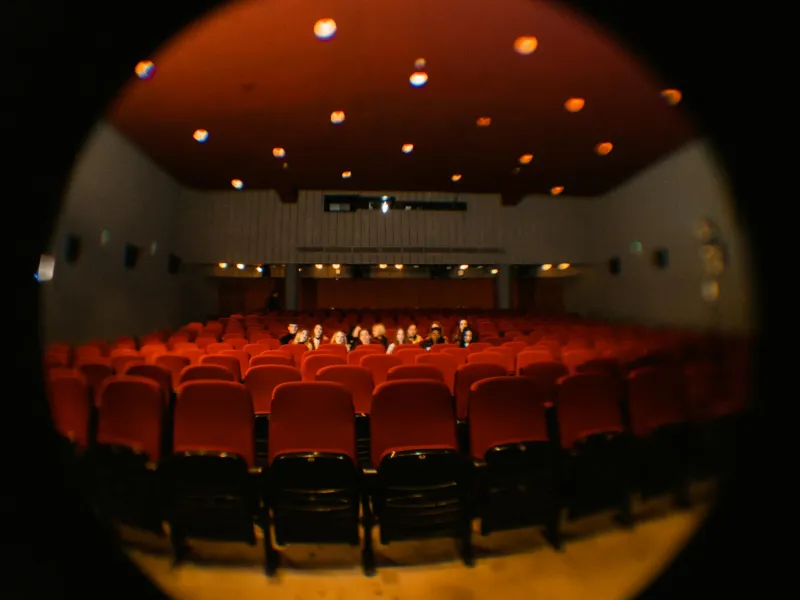
Picture this: it's 1965, and your family's evening entertainment involves loading the station wagon with blankets, homemade popcorn, and maybe a cooler full of sodas. Your destination isn't a movie theater with velvet seats and air conditioning — it's a massive outdoor screen in a field outside town, where hundreds of cars will park in neat rows to watch the latest Hollywood release under a canopy of stars.
This was America's drive-in theater culture at its absolute peak, when watching movies from your car wasn't a pandemic adaptation but a beloved national pastime that defined summer nights for an entire generation.
The Golden Age of Car Cinema
By 1958, America boasted over 4,000 drive-in theaters, more than any other type of movie venue in the country. These weren't just movie screens — they were complete entertainment complexes that transformed empty fields into temporary communities every evening. The largest drive-ins could accommodate over 2,000 cars, creating instant cities that appeared at sunset and vanished by midnight.
The experience began long before the movie started. Families would arrive early to claim the best spots — close enough to see clearly but far enough back to avoid neck strain. The ritual of backing your car into position, adjusting your angle for optimal viewing, and hanging the tinny speaker on your partially rolled-down window became as much a part of the evening as the feature film itself.
More Than Just Movies
What made drive-ins special wasn't just the novelty of watching movies from your car — it was the complete social ecosystem that developed around them. The intermission became a cultural event unto itself, with animated snack bar advertisements encouraging families to visit the concession stand. These weren't simple candy counters but full restaurants serving everything from hamburgers and hot dogs to pizza and fried chicken.
Children in pajamas would play on the playground equipment installed beneath the massive screens, their parents keeping one eye on the kids and another on the movie. Teenagers used drive-ins as socially acceptable dating venues where they could be together in semi-privacy while still technically in public. Young families appreciated being able to bring crying babies without disturbing other moviegoers.
The Technology of Togetherness
The drive-in experience depended on surprisingly sophisticated technology for its era. Each parking space had its own speaker post, connected by underground cables to the projection booth. The speakers themselves became iconic — those rectangular metal boxes that hooked onto your car window and delivered tinny but functional audio directly into your vehicle.
Later innovations included AM radio transmission, allowing moviegoers to tune their car radios to a specific frequency for much better sound quality. Some drive-ins experimented with in-car heaters for cold weather viewing and even primitive two-way communication systems for ordering snacks from your car.
The Economics of Entertainment
Drive-ins offered something traditional theaters couldn't match: affordable family entertainment. Most charged by the carload rather than per person, meaning a family of six could see a double feature for the same price as one adult ticket at an indoor theater. This pricing model made movies accessible to working-class families who might otherwise skip the cinema entirely.
The business model relied heavily on concession sales, but the food was reasonably priced and the atmosphere was relaxed. Unlike indoor theaters where outside food was forbidden, many drive-ins tacitly accepted families bringing their own snacks, understanding that the real profit came from creating loyal customers who'd return week after week.
The Beginning of the End
Several factors conspired to kill the drive-in theater industry. The rise of suburban shopping malls in the 1970s made the large plots of land that drive-ins required increasingly valuable for development. Daylight saving time, extended year-round in 1974, meant movies couldn't start until later in the evening, cutting into family viewing time.
The multiplex revolution of the 1980s offered something drive-ins couldn't compete with: multiple movie choices under one roof, climate-controlled comfort, and superior sound and picture quality. VCRs and cable television provided convenient home entertainment options that didn't require getting dressed and driving anywhere.
What Survives Today
Today, fewer than 300 drive-in theaters remain operational in the United States, down from that 1958 peak of over 4,000. Most of these survivors operate as nostalgic throwbacks, drawing customers who remember the golden age or younger families curious about this piece of Americana.
Modern drive-ins have adapted with digital projection, FM radio sound transmission, and online ticket sales, but the basic experience remains remarkably unchanged. You still park your car in front of a giant screen, still watch movies under the stars, and still feel that peculiar magic of being simultaneously private and part of a larger community.
The Lost Art of Communal Privacy
What we lost when drive-ins disappeared was something uniquely American: a form of entertainment that was both communal and private, both social and intimate. Families could enjoy a shared cultural experience while remaining in their own space, creating memories that belonged entirely to them while participating in a broader community ritual.
The drive-in represented a brief moment in American history when cars, movies, and social life intersected in perfect harmony. For about two decades, watching a movie from your family car felt like the most natural thing in the world — a piece of the future that somehow became the past before we fully appreciated what we had.
Tonight, the few remaining drive-ins will flicker to life as the sun sets, their giant screens illuminating rows of cars filled with families trying to recapture a piece of America that mostly exists now only in memory and the occasional summer night under the stars.