Six Dollars a Night and a Clean Towel: The Slow Death of the Affordable American Roadside Motel
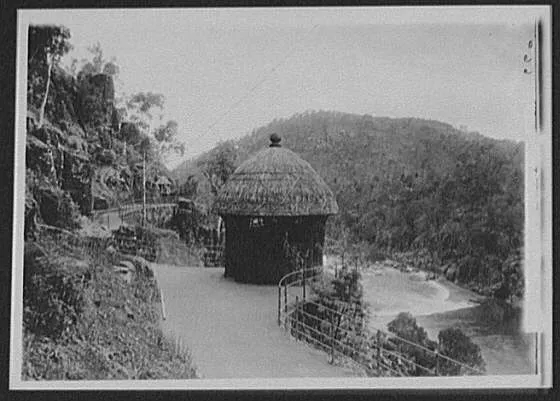
Photo: William Henry Jackson, Public domain, via Wikimedia Commons
Motel 6 got its name from something almost impossible to imagine today: a room rate of six dollars a night. That wasn't a promotional gimmick or a loss leader. In 1962, when the chain opened its first location in Santa Barbara, California, six bucks was simply what a clean, no-frills room cost. Working families on road trips across America didn't need to budget weeks in advance, download a loyalty app, or scroll through three comparison websites to find a place to sleep. They just pulled off the highway, saw a vacancy sign glowing in the dark, and went to bed.
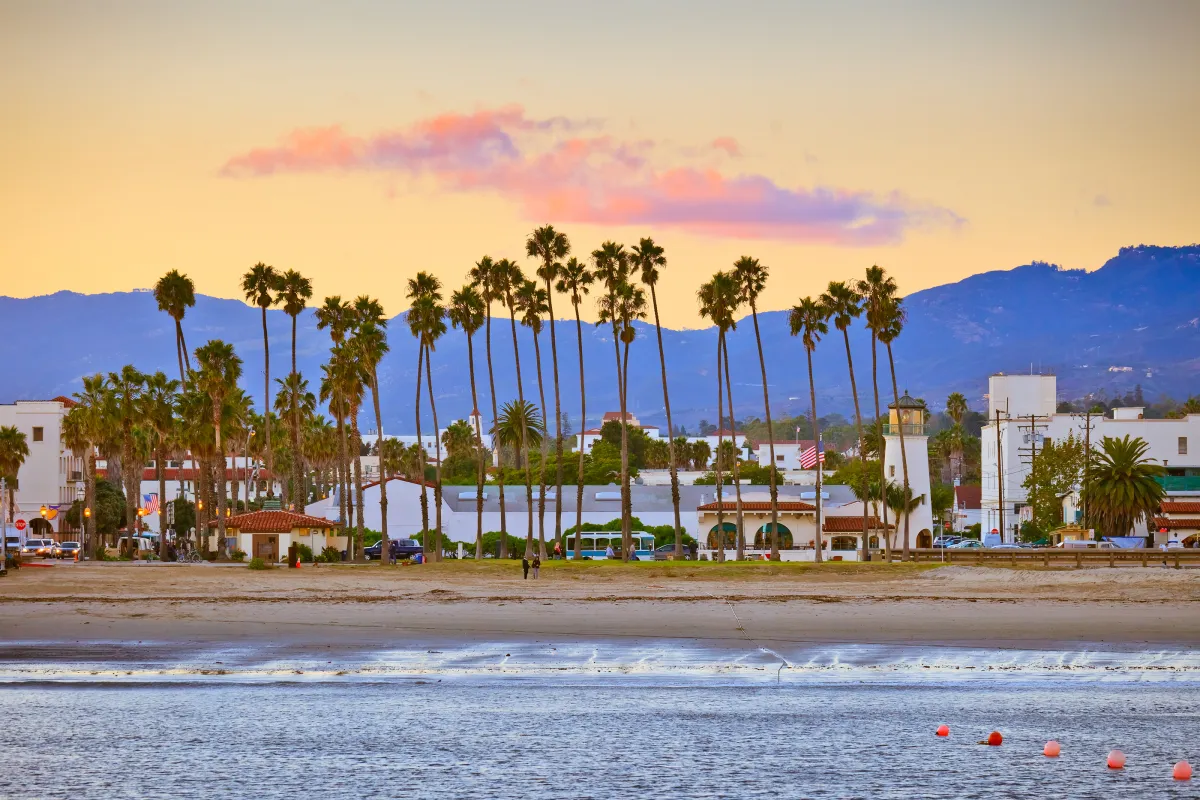 Photo: Santa Barbara, California, via www.californiabeaches.com
Something has changed since then — and it goes a lot deeper than inflation.
What the Roadside Motel Was Actually Built For
The American roadside motel was a product of a very specific moment in history. The Interstate Highway System was being stitched together through the late 1950s and 1960s, and ordinary Americans were hitting the road in numbers nobody had ever seen before. Families loaded station wagons, pointed them toward national parks or grandma's house, and drove. They didn't have credit cards. They didn't have smartphones. What they had was cash in a wallet and a rough idea of how far they wanted to go each day.
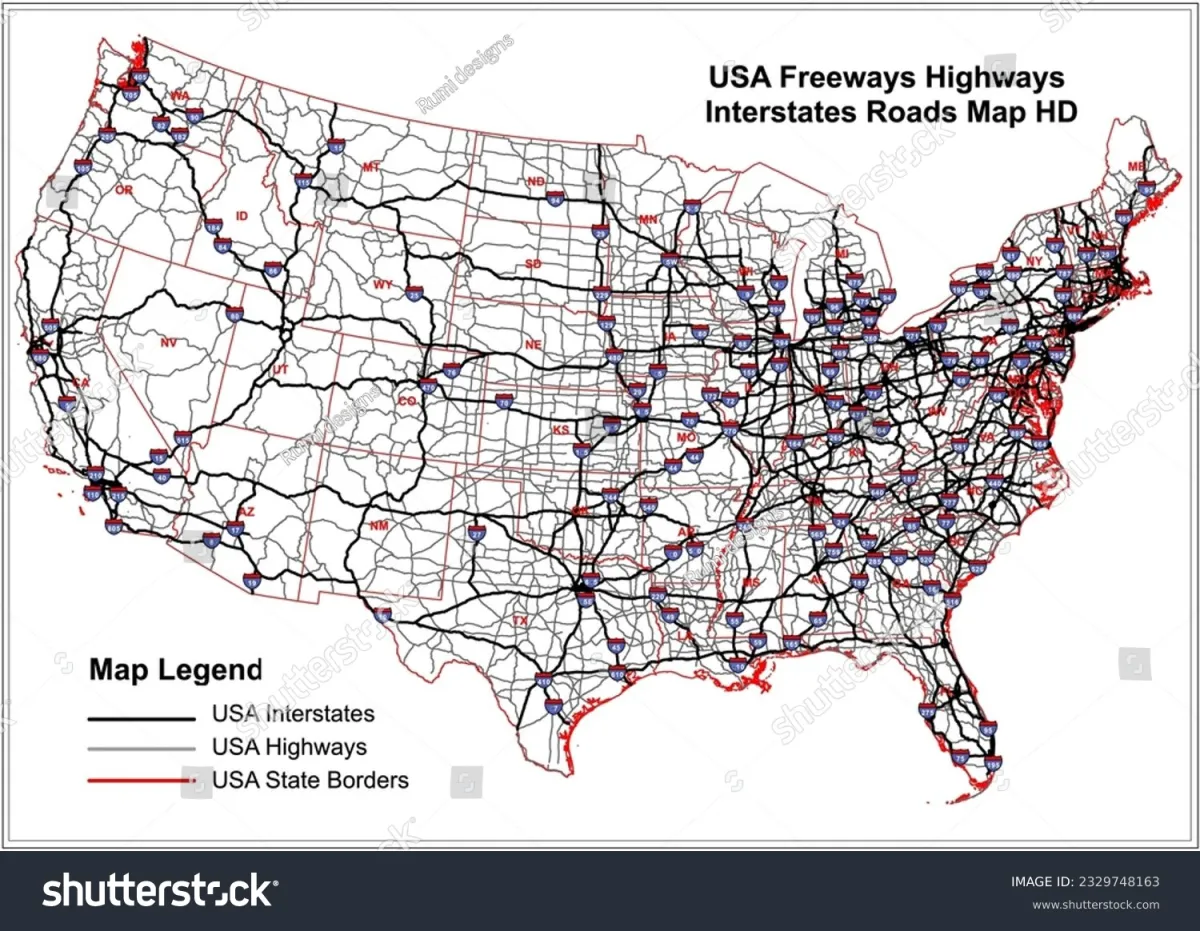 Photo: Interstate Highway System, via www.shutterstock.com
Motels were designed around that reality. They sat right at the highway exit — close enough that you could see them from the on-ramp. Parking was out front, directly in front of your door, because the whole point was convenience. You didn't check in through a lobby with a chandelier. You walked up to a small window, handed over some bills, got a physical key attached to a plastic diamond, and that was it. The room had a bed, a TV bolted to a dresser, and a bathroom that worked. Nobody promised anything more, and nobody expected anything more.
For a family of four driving from Ohio to Florida, a string of these stops made the whole trip possible. The economics were honest. The transaction was simple. And the experience, while basic, felt genuinely welcoming — because these places were usually run by actual people who lived on the property.
The Mom-and-Pop Era That Quietly Ended
Through the 1960s and 1970s, the majority of American roadside motels were independently owned. A husband and wife might run a twelve-room operation, living in a small apartment attached to the office. They knew which rooms had the squeaky beds. They knew which local diner to recommend. They swept the parking lot themselves in the morning.
Pricing was straightforward because it had to be. There were no algorithms. No dynamic pricing models adjusting rates based on local event calendars or regional demand forecasts. The sign out front said what it said, and that number reflected what the owner needed to cover costs and make a modest living. It wasn't charity — it was a sustainable, human-scale business model.
Chains like Motel 6, Holiday Inn, and Howard Johnson's started to grow through this same era, and for a while they played by similar rules. Standardized rooms, reliable prices, no surprises. The chain model actually gave travelers something valuable: predictability. You knew what you were getting. The price was posted. The deal was fair.
Then the 1980s and 1990s brought consolidation. Private equity started acquiring independent properties. National chains absorbed regional ones. Franchise fees crept up, which pushed nightly rates up with them. The mom-and-pop owners either sold, retired, or couldn't compete with the marketing budgets of corporate competitors who'd figured out loyalty programs and centralized booking systems.
How a Night's Sleep Became a Financial Decision
Today, booking a room at a basic roadside motel involves a process that would have seemed absurd to a traveler in 1972. You open an app — or more likely several apps — and compare rates that shift by the hour. A room that costs $89 on Tuesday might cost $149 on Friday for no visible reason. "Resort fees" appear at checkout for properties that have no resort amenities whatsoever. Parking, which was once literally the point of the motel, sometimes costs extra.
The room itself might be indistinguishable from what existed fifty years ago — same layout, same approximate square footage, same bolted-down television — but the pricing infrastructure surrounding it has become genuinely complex. Loyalty memberships offer discounts that require enough stays to qualify. Booking windows matter. Cancellation policies vary in ways that require careful reading.
For a spontaneous traveler — the kind who used to just drive until they got tired and then find a vacancy sign — the modern roadside motel experience has become oddly stressful. The vacancy sign itself has mostly disappeared, replaced by a "Book Now" button on a website that wants your email address before it shows you a price.
What We Actually Lost
Adjusting for inflation, that original six-dollar Motel 6 rate works out to roughly sixty dollars in today's money. The current average nightly rate at a Motel 6 property is closer to ninety to one hundred and twenty dollars, depending on location and timing — before fees. That gap isn't enormous, but it reflects something real: the affordable roadside stop has been slowly repriced out of its original purpose.
The travelers those motels were built for — working-class families, retirees on fixed incomes, young couples making a cross-country trip on a tight budget — are the ones who feel that gap most sharply. The road trip, once genuinely democratic, has become more expensive at every stop along the way.
There's also something less quantifiable that disappeared. The independent motel had a personality. It had a specific sign, a specific color scheme, a specific owner who might actually wave at you from the parking lot. The room wasn't designed by a corporate brand standards committee. It was just a room, in a place, run by a person.
Pulling off the highway today, you're more likely to find a cluster of identical franchise properties with identical exteriors and identical breakfast offerings. The experience is fine. It's just not the same thing.
The Road Still Goes On
The American road trip hasn't died. People still pile into cars and drive across the country, still stop at exits they didn't plan to stop at, still wake up in unfamiliar towns and keep moving. That impulse is as strong as it ever was.
But the infrastructure that once made it effortlessly affordable has been quietly replaced by something more complicated, more expensive, and considerably less personal. The vacancy sign is mostly gone. The six-dollar room is long gone. What's left is a booking confirmation email and a loyalty points balance.
Somewhere between then and now, the roadside motel stopped being a promise and became a transaction. And the road, just a little bit, got harder to afford.