Pete Knew Everything: The Gas Station as America's Original Information Hub
Pete Knew Everything: The Gas Station as America's Original Information Hub
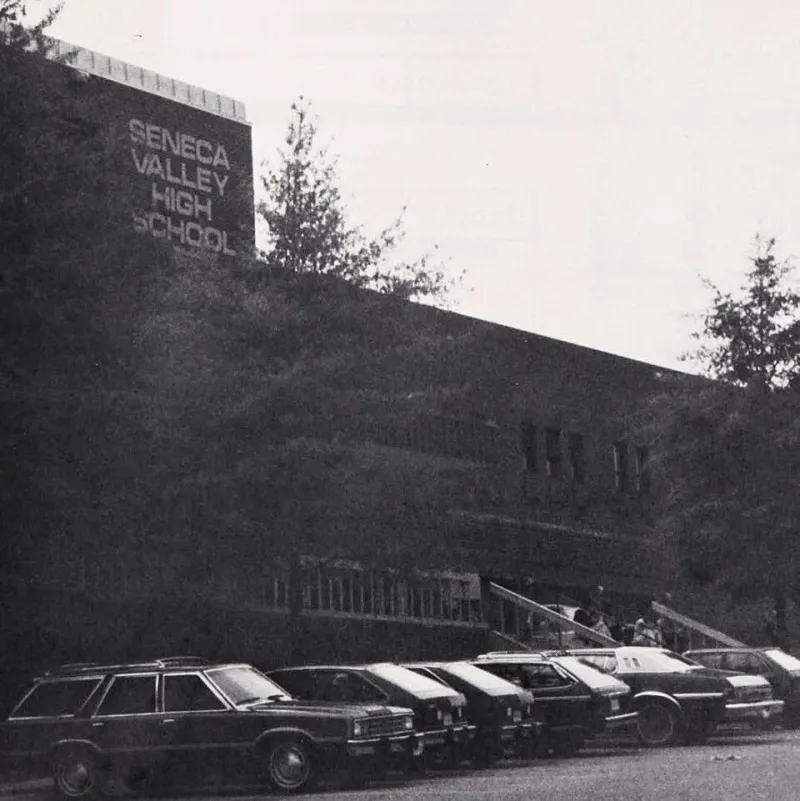
Picture this: You've been driving since dawn. You left St. Louis before sunrise, the radio fading in and out somewhere past Springfield, and now you're rolling into a small-town Sinclair station in eastern Oklahoma with a half-empty tank and absolutely no idea what's happening in the world. You haven't heard a news bulletin in two hours. The last weather report you caught was for a city three states behind you. And somewhere — maybe — there's a World Series game being played right now, and you have no clue who's winning.
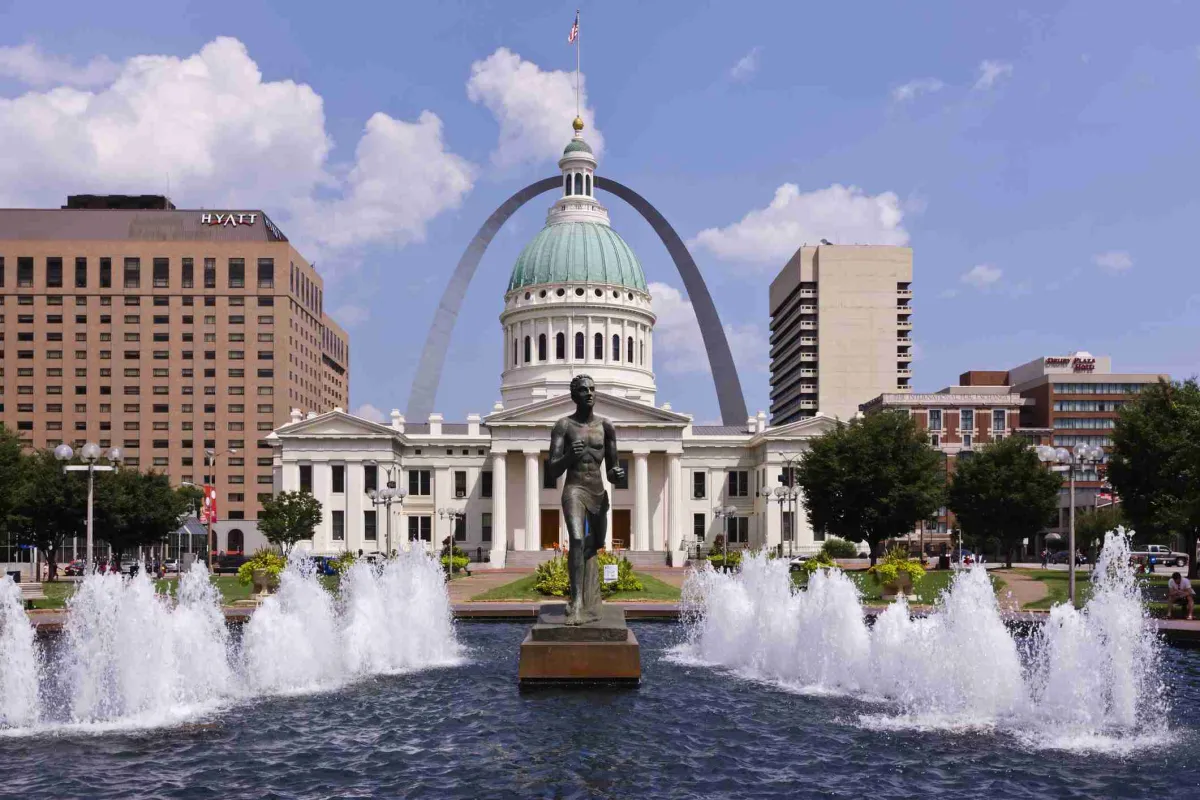 Photo: St. Louis, via www.thoughtco.com
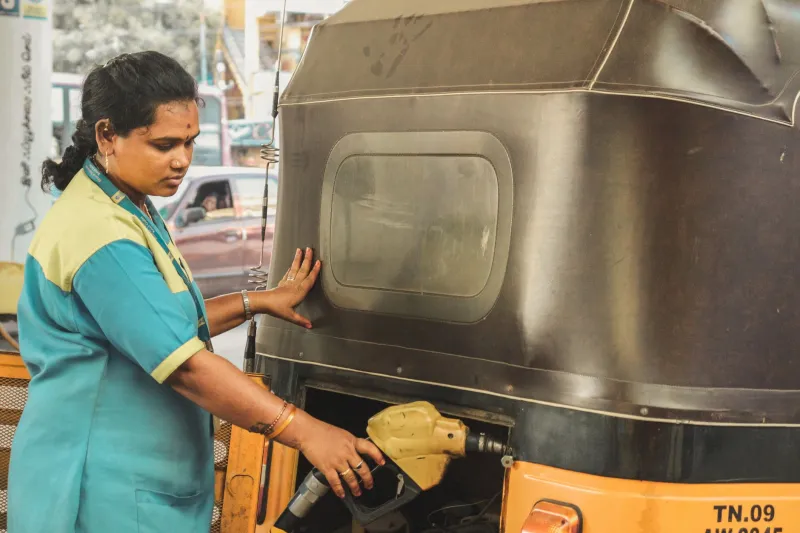
You pull up to the pump, and a guy named Pete walks out.
And Pete, it turns out, knows everything.
The World Moved Slower, and So Did Information
For most of the twentieth century, staying informed while driving across America was a patchwork exercise in patience and luck. Radio was your lifeline, but it was an unreliable one. AM signals bounced unpredictably across the landscape — crystal clear in one county, swallowed by static the next. News bulletins ran on the hour, which meant if you missed the top of the hour, you were waiting another sixty minutes for an update that might already be old by then.
Weather forecasting was especially unreliable. The National Weather Service existed, but its information filtered down to drivers through a chain of local radio stations, some of which broadcast the same forecast they'd recorded the night before. You might be heading directly into a tornado watch and not know it until you saw the sky turn green.
Newspapers helped — but only if you stopped. Racks outside diners and gas stations sold morning editions that were already hours behind by lunchtime. If something significant happened after the presses ran, you simply didn't know. The news waited for you. You didn't wait for the news.
The Attendant as Oracle
This is where Pete — or Gary, or Jimmy, or whoever was working the pump that afternoon — became genuinely valuable.
Full-service gas stations were still the norm through much of the mid-twentieth century, and the attendants who worked them occupied a unique informational position. They talked to dozens of drivers every single day. Travelers coming from the east brought news from that direction. Truckers rolling west shared what they'd heard on the CB. Local regulars stopped in with gossip, scores, and weather reports from the next county over.
The gas station attendant, almost by accident, became a human aggregator. He knew the Cardinals score because a salesman from Kansas City had stopped in an hour ago. He knew the highway was backed up past Tulsa because a trucker had just come through. He knew a storm was building to the northwest because old Earl who farmed three miles out had come in to gas up his pickup and said so.
None of this information was verified. None of it was timestamped. But it was something — and something was everything when you'd been driving in an information vacuum for four hours.
The CB Radio Brotherhood
For drivers who wanted a more active role in staying informed, the Citizens Band radio offered a rough, chaotic alternative. Through the 1970s especially, CB radio exploded in American car culture, partly thanks to truckers who had been using it for years and partly because of a cultural moment — Smokey and the Bandit, convoy songs, the whole mythology — that made it feel like belonging to something.
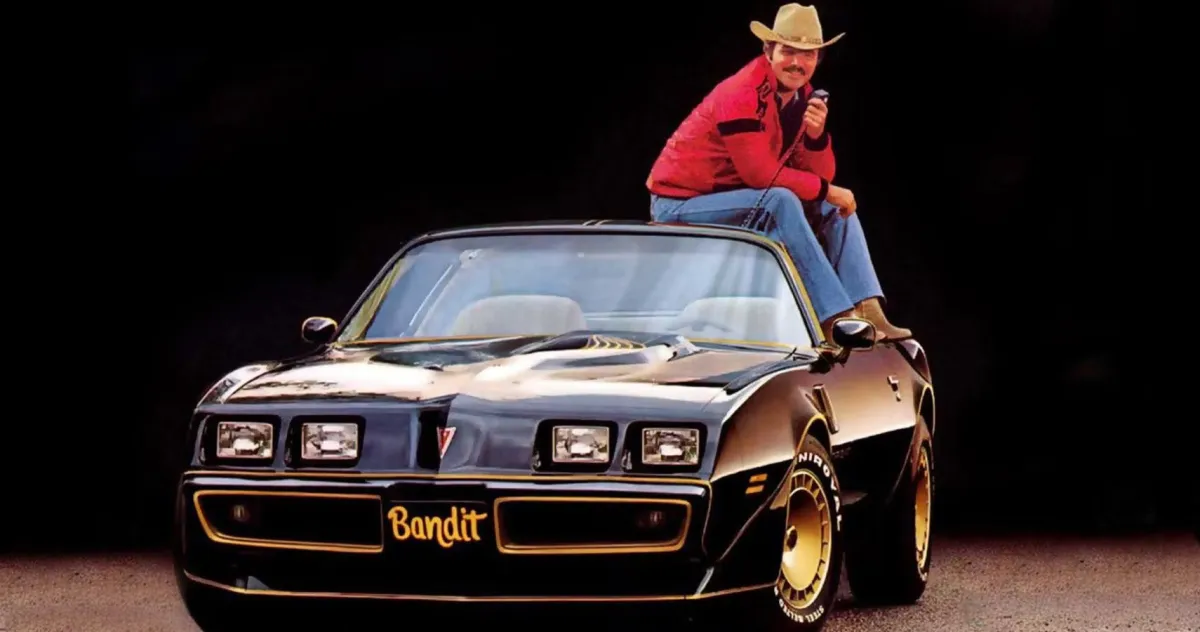 Photo: Smokey and the Bandit, via facts.net
The CB was real-time in a way nothing else available to ordinary drivers could match. Speed traps, accidents, road closures, weather — all of it moved through the airwaves in a crackle of jargon and static. You had to learn the language. You had to earn your handle. And the information was only as good as the last person who'd been through.
But it worked. It was America's first crowdsourced traffic and news network, built on trust between strangers who'd never meet and would never need to.
Arriving Somewhere and Not Knowing
There's something worth sitting with here: the experience of arriving at your destination genuinely uninformed.
Today, you can watch a hurricane develop in real time from your passenger seat. You can track a breaking news story across three states before you've even crossed the state line. You arrive everywhere already knowing. The world doesn't surprise you with information anymore — it ambushes you with it constantly.
But for decades, pulling into your aunt's driveway after a twelve-hour drive meant walking inside and catching up. The television was on. The newspaper was on the table. Someone handed you a cup of coffee and said, "Did you hear what happened?" And you hadn't. You genuinely hadn't.
That gap — between leaving and arriving, between knowing and not knowing — used to be a real part of the American road trip experience. It gave drives a quality of suspension, a sense that you were temporarily outside the flow of events. The world kept moving, but you were in a different stream.
What We Traded Away
It would be easy to romanticize all this. Nobody actually wanted to miss a hurricane warning or drive past an accident that the radio reported twenty minutes ago. The information blackout of old-school road travel wasn't a feature anyone consciously chose — it was just the reality of the infrastructure available.
But there's something worth acknowledging in the contrast. The mental quiet of a long drive used to be genuine. You couldn't doomscroll at 70 miles per hour. You couldn't refresh your feed at a rest stop. You were, for a few hours, simply unreachable — and the world had to wait until you arrived to tell you what it had been up to.
Pete at the pump was the best you could do. And sometimes, honestly, Pete was enough.
He'd fill your tank, check your oil without being asked, and lean against the fender for a moment. "Heard the game's going to extra innings," he'd say. "Storm coming up from the south, but you should be clear of it by Amarillo."
You'd nod, pay in cash, and pull back onto the highway with exactly that much to go on.
It turns out that was more than enough to feel connected to the world.