The 60-Month Loan: How America Learned to Stop Paying for Things
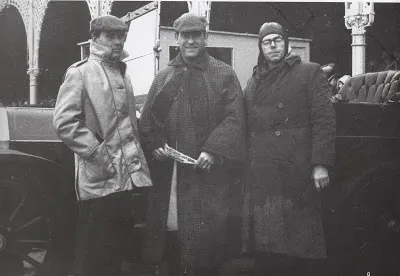
Photo: Unknown photographer, Public domain, via Wikimedia Commons
Here's a number that should stop you mid-scroll: the average new car loan in the United States now stretches past 70 months. That's six years of payments for a machine that starts depreciating the moment it leaves the lot.
Now rewind to 1955. A new Chevrolet cost around $1,600. Median family income was roughly $4,400. That's a car priced at about four months of gross household income — and a culture where, if you couldn't pay cash, you took a short loan and paid it off fast. Debt carried a stigma that's genuinely hard for modern Americans to imagine.
So what happened? And more importantly — were the cash-and-carry folks right all along?
When Debt Was a Character Flaw
For the World War II generation, borrowing for anything beyond a house was borderline shameful. Layaway — paying a store in installments before taking the item home — was the respectable middle path. The idea of financing a television, let alone groceries, would have struck a 1950s shopper as a personal failing dressed up in a nice suit.
The credit card changed that, slowly at first. Diner's Club in 1950 was a charge card for businessmen. BankAmericard in 1958 started the modern revolving-credit era. But the real revolution came in the 1980s and beyond, when banks realized the real product wasn't credit — it was interest. Minimum payments were engineered to keep you paying, comfortably, forever.
The Math Nobody Wants to Do
Let's put today's numbers next to grandpa's. The average new vehicle price now sits north of $48,000 against a median household income around $80,000. That's roughly seven months of income — nearly double the 1955 ratio. And instead of paying cash, the typical buyer signs up for six to seven years of payments, often with a trade-in rolled in negative equity from the last financed car.
Run it through: a $48,000 car at 7% over 72 months runs about $815 a month. Over the life of the loan, you'll pay thousands in interest on a depreciating asset. Your 1955 counterpart, paying cash, paid zero interest — and owned the thing outright in year one.
Why 'Now' Doesn't Mean Affordable
The defense of modern financing is that 'it's all about the monthly payment.' That framing is exactly the trap. A payment fits; a price doesn't. Dealers know it, lenders know it, and the entire retail economy is built around stretching terms until any purchase feels manageable. We now finance groceries during checkout, pay for phones over 24 months, and treat a 84-month car loan as a normal life stage.
Here's the uncomfortable part: by the old standard — pay cash, or don't buy — most of modern middle-class consumption isn't affordable. We didn't get richer than our grandparents. We got better at borrowing.
The Case for Going Retro
Nobody's saying ditch the mortgage or never finance a car — a reliable vehicle to get to work is a legitimate reason to borrow. But the 1950s instinct contains a real insight: debt should be a tool you pick up deliberately, not the default setting of American life.
A few sanity checks worth stealing from the cash era: if you can't pay off a car loan in 36 months, you're buying too much car. If a purchase would take more than a month of take-home pay and you're financing it on a card, sleep on it. And if the monthly payment is the only number you looked at, you didn't buy a car — you rented a lifestyle.
Our grandparents weren't richer or smarter. They just lived in a culture where 'I can't afford it' was an acceptable sentence. Bring a little of that back, and the math starts working again.