One Owner, 200,000 Miles: When Americans Married Their Cars and Meant It
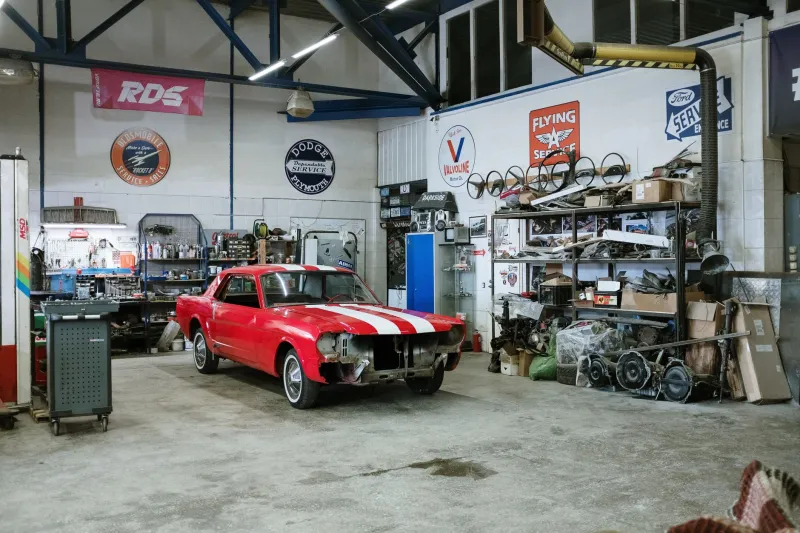
In a garage somewhere in middle America, there is almost certainly an old man who still drives the same car he bought during a different presidential administration. The odometer has rolled past numbers that would make a dealership sales manager wince. The paint has oxidized in one corner. The radio gets two stations reliably and a third one in good weather. He knows exactly what sound the engine makes when it's about to need oil, and he has never once considered trading it in.
He is a relic. Not because he's old, but because the relationship he has with that car — intimate, durable, almost stubborn — belongs to an era that has largely ended.
The average American today keeps a vehicle for somewhere between five and six years before moving on. That number has actually been rising slightly in recent years, driven partly by high vehicle prices and partly by improved reliability. But it's still a fraction of what was common two or three generations ago, when keeping a car for fifteen or twenty years wasn't a financial hardship strategy. It was just what you did.
The Mechanic in the Family
To understand why people kept cars so long, you have to understand what cars used to require. Mid-20th century vehicles needed regular, hands-on attention in ways that modern cars simply don't. Points and plugs needed replacing. Carburetors needed adjusting. Timing belts, valve adjustments, and brake drum inspections were scheduled events, not emergency responses.
This created something that has almost entirely disappeared: mechanical intimacy. Owners who performed their own maintenance, or who watched it being performed, developed a detailed knowledge of their specific vehicle. They knew which bolt was stripped. They knew the quirk in the clutch engagement. They knew that if the engine ran rough on a cold morning, you just needed to let it warm up for ninety seconds and it would settle.
That knowledge had real value. Selling a car you understood completely and buying one you didn't know at all felt like a bad trade, even if the new one was shinier. The learning curve on a new vehicle had a cost that was hard to quantify but easy to feel.
The Economics of Staying Put
The financial logic of long-term ownership was also much clearer in the postwar decades than it is today. Cars were expensive relative to median income, credit was less freely available, and the used car market was less sophisticated. Buying a new car was a significant household decision — not a transaction you repeated casually every few years.
Once a car was paid off, the calculus changed dramatically. A paid-off vehicle, even one requiring occasional repairs, almost always cost less per month than a new car payment. This was obvious math, and most families ran it without needing a spreadsheet. You kept the car because keeping the car was cheaper than not keeping the car.
Repair costs were also more predictable and more manageable. Labor was less expensive. Parts were simpler and more widely available. A local mechanic — often someone you knew personally — could rebuild a carburetor or replace a head gasket for an amount that was painful but survivable. The repair-versus-replace calculation usually landed on repair, and it usually landed correctly.
How the Industry Rewrote the Relationship
The auto industry didn't invent the concept of planned obsolescence, but it refined it into an art form. Beginning in the 1950s, annual model changes became a marketing cornerstone. New styling, new features, new colors — the message was consistent: last year's car is already behind. The goal wasn't just to sell cars. It was to make owning an older car feel like a social statement you hadn't meant to make.
This was enormously effective. The culture of the upgrade became embedded in how Americans thought about vehicles. A car wasn't just transportation. It was a signal about where you stood, what you'd achieved, how current you were. Keeping a ten-year-old car started carrying a faint social cost that it hadn't carried before.
By the 1980s and 1990s, the financial infrastructure for frequent upgrades was firmly in place. Leasing, which had been primarily a commercial tool, became widely available to individual consumers. Longer loan terms — 60, then 72, then 84 months — made higher monthly payments feel manageable by spreading them across more years. The industry had engineered a system where trading in before payoff felt like a reasonable choice, even when the underlying math suggested otherwise.
The Reliability Paradox
Here's the twist nobody fully anticipated: cars got dramatically better. The quality improvements in American and imported vehicles between 1980 and 2010 were genuinely remarkable. Engines that once required rebuilding at 80,000 miles now routinely ran past 200,000 with basic maintenance. Rust proofing improved. Electrical systems became more robust. The catastrophic failure that once ended a car's useful life at 120,000 miles became increasingly rare.
You might expect better cars to produce longer ownership. In some cases, they did. But they also produced a leasing culture that assumed the car would be returned before anything went wrong, and a used car market flush with low-mileage, late-model vehicles that made upgrading feel sensible and affordable.
The reliability gains got absorbed by the upgrade cycle rather than extending it. Better cars just meant you were trading in something that still had a lot of life left.
What Long Ownership Actually Felt Like
Ask someone who drove the same car for fifteen years and they'll often describe it the way people describe old houses or beloved tools — with a kind of affection that seems disproportionate to the object. There's a reason for that. Long ownership creates a relationship that short ownership can't replicate.
You know the car's history because you were there for all of it. You remember the road trip where the AC gave out in Nevada. You know the exact sound the door makes when it's about to not latch. The car becomes a physical record of your own life in a way that a leased vehicle, returned and replaced on a schedule, never can.
There's a financial argument for long ownership that remains as true today as it ever was: the cheapest car you can own is usually the one you already own. Every year you keep a paid-off vehicle instead of taking on a new payment is money that stays in your pocket.
But that argument competes now with marketing budgets, financing incentives, and a cultural story about progress that insists newer is always better. The old man with the oxidizing paint and the reliable engine is still running the original math. He's just doing it in a world that stopped teaching it.