Pull Over, We're Eating Here: The Slow Disappearance of the Real Road Trip Break
Somebody's dad used to pull the station wagon off the highway at a rest area somewhere in Indiana, cut the engine, and announce — with the authority of a ship's captain — that they were stopping for twenty minutes. Not fifteen. Not ten. Twenty. Everyone got out. The cooler came with them. Sandwiches wrapped in wax paper were distributed. Someone found a picnic table. The dog ran in circles.
It wasn't efficient. It wasn't fast. It was, in retrospect, one of the better parts of the trip.
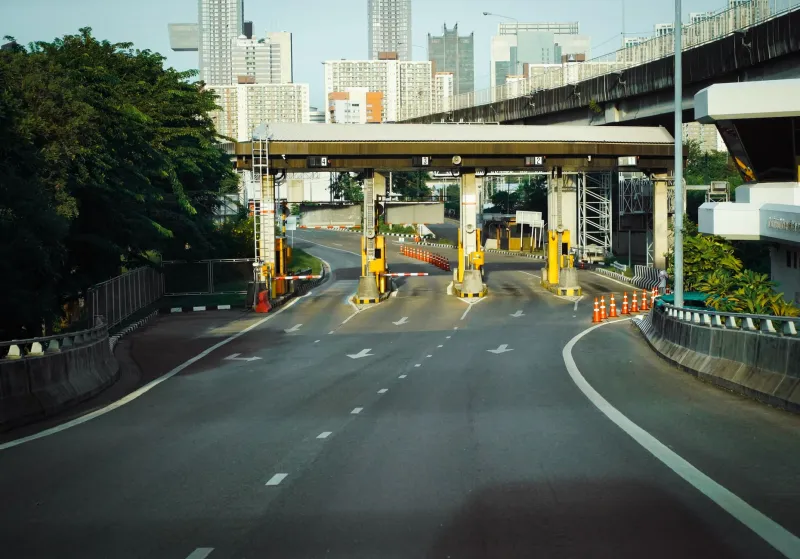
Somewhere between then and now, the American road trip pit stop got optimized into something barely recognizable. Today's version is a choreographed sprint: pump gas, grab a coffee from a machine, use a bathroom that may or may not have been cleaned since the Obama administration, and get back behind the wheel before the navigation app starts recalculating your arrival time. The whole operation takes ninety seconds if you're good at it.
We got faster. We also lost something.
When Stopping Was Part of the Journey
In the 1960s and 70s, road trips were planned around stops, not in spite of them. Gas mileage was worse, engines ran hotter, and the human body — then as now — had a finite tolerance for sitting still at highway speed. Stopping wasn't a concession to weakness. It was built into the rhythm of travel.
Rest areas were designed with this in mind. State-maintained facilities had actual amenities: covered picnic shelters, grills, playgrounds, sometimes a small visitor center stocked with pamphlets about local attractions. Families treated them like brief campsites. Kids ran. Adults walked around. Someone always needed to check the oil.
Food came from home. The classic road trip cooler — packed the night before with sandwiches, fruit, boiled eggs, and something wrapped in foil that nobody could fully identify — was standard equipment. Eating at a rest area wasn't a failure to find a restaurant. It was the plan. It was cheaper, it was familiar, and it gave everyone something to do for twenty minutes that wasn't staring at the back of a headrest.
Service stations added their own texture to the stop. An attendant came out. Gas went in. Oil got checked. Windshield got cleaned. You might buy a soda from a machine that dispensed glass bottles, cold enough to hurt your teeth. The whole interaction had a human pace to it.
The Rise of the Convenience Corridor
The interstate highway system, fully built out by the 1970s, started concentrating services at specific exits — and the businesses that clustered there got very good at moving people through quickly. Truck stops evolved into full-service travel plazas. Fast food chains planted themselves at every major interchange. The logic was simple: the faster you serve someone, the more people you can serve.
By the 1980s and 90s, the quick stop was becoming the norm. Drive-throughs eliminated the need to get out of the car at all. Gas stations merged with convenience stores, so you could theoretically fuel up, grab a hot dog, buy a lottery ticket, and get back on the road without technically stopping in any meaningful sense.
The efficiency was real. So was the creeping sense that the trip was now just a problem to be solved as quickly as possible.
Today's Pit Stop: A Masterclass in Frictionless Movement
Modern travel infrastructure is genuinely impressive if you think of it as logistics. Pay-at-the-pump killed the need to go inside. Mobile ordering means your coffee is waiting before you've finished fueling. Some rest areas now have EV charging stations with lounge seating, which is almost a throwback to the old model — except everyone's staring at their phones instead of talking to each other.
The pressure to keep moving is partly cultural and partly technological. GPS shows your estimated arrival time updating in real time. Every minute you spend at a rest area is a minute you watch that number tick upward. There's a low-grade psychological weight to it — the feeling that stopping is falling behind, that the trip has a score and you're losing points.
Families who used to stop for twenty minutes now negotiate five. Kids eat in the car. Coffee comes from a drive-through two exits before the gas station. The picnic table at the rest area sits empty because nobody planned to stop long enough to use it.
The Hidden Cost of All That Efficiency
Here's what the optimized pit stop doesn't account for: those breaks used to do things beyond refueling the car.
They reset the mood. Long drives accumulate tension — from traffic, from close quarters, from the particular irritation of having heard the same song three times. A real stop, with fresh air and space to move around, quietly discharged all of that. People got back in the car slightly different from how they'd gotten out.
They created memories. Decades later, people remember the weird roadside diner where the pie was unexpectedly great, or the rest area in Tennessee where a stranger's dog made friends with everyone, or the time someone spilled the entire cooler in the parking lot of a Stuckey's and it became a family story that still gets told at holidays.
A ninety-second gas stop doesn't generate stories. It generates a receipt.
Then, This, Now
The road trip pit stop didn't disappear — it just got compressed until most of what made it worthwhile squeezed out. We traded the ritual for the result: fuel in the tank, coffee in the cup holder, back on the highway.
But the old stops weren't inefficiencies to be eliminated. They were, in their own low-key way, part of what made the drive worth taking. The destination was never really the only point.
Sometimes the point was the picnic table in Indiana, the wax paper sandwich, and the twenty minutes where nobody had anywhere to be.