The Golden Age of Urban Parking
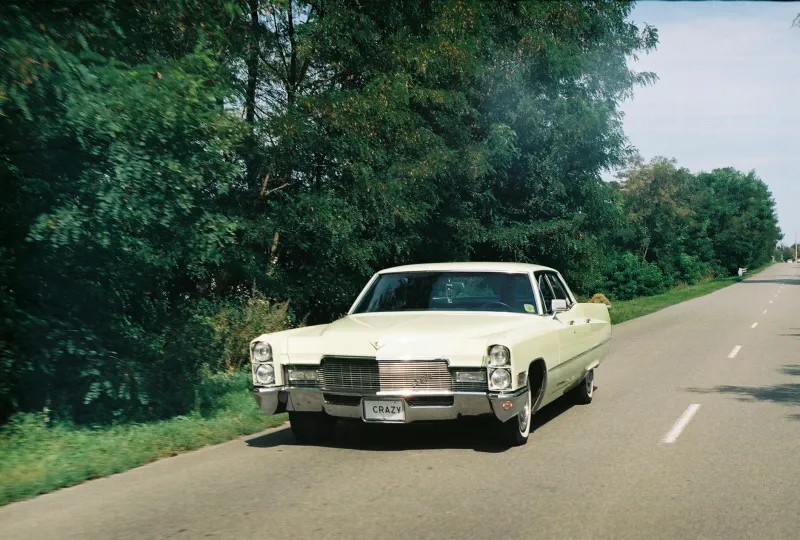
Imagine pulling up to downtown Cleveland on a busy Saturday afternoon in 1962. Your biggest worry isn't whether you'll find parking—it's deciding between the three empty spots right in front of the department store or the cheerful attendant waving you into the free lot across the street. This wasn't a fantasy; this was America.
For roughly three decades after World War II, American cities operated under a simple philosophy: cars were welcome everywhere, and parking was something cities provided, not something they profited from. Downtown cores featured vast surface lots where attendants in crisp uniforms would park your car for a quarter, or often for free if you were shopping at the right store.
When Meters Meant Nickels, Not Apps
The parking meters that did exist were almost quaint by today's standards. Most accepted nickels and dimes, giving you an hour or two for pocket change. There were no zones, no permits, no digital payment systems requiring three different apps. You dropped in a coin, twisted the handle, and walked away.
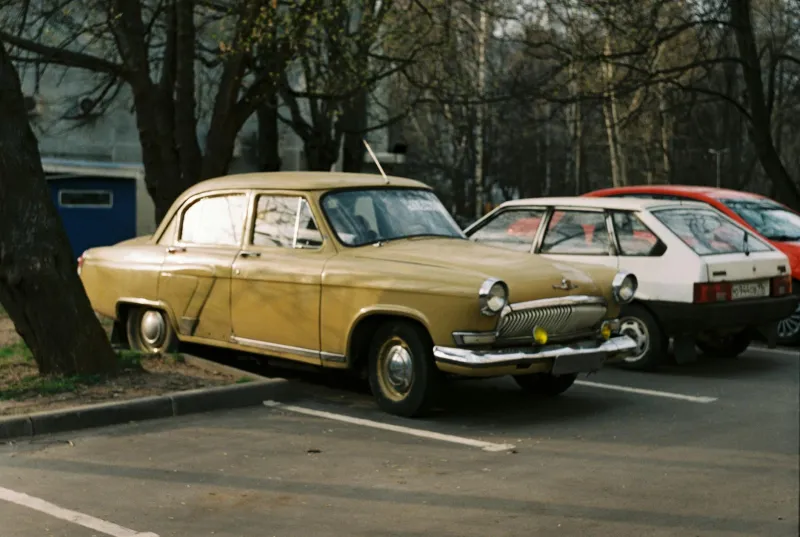
More importantly, there was an abundance mentality around parking. Cities built with the assumption that everyone would drive, and they planned accordingly. Surface lots stretched for blocks in city centers. Street parking was wide and plentiful. The idea that you might circle for twenty minutes looking for a spot would have seemed absurd.
The Attendant Economy
What really defined this era was the human element. Parking lots employed armies of attendants who didn't just take your money—they provided a service. They'd park your car, keep an eye on it, and often provide directions or recommendations for nearby restaurants. Some lots offered to wash your car while you shopped.
These weren't minimum-wage positions shuffling cars around. Many attendants developed relationships with regular customers, remembering their preferred spots and keeping their cars in prime locations. It was a hospitality industry built around the automobile.
The Economic Reality Behind the Abundance
This parking paradise existed because land in city centers was relatively cheap, and cities were actively trying to compete with the suburbs for shoppers and workers. Free or cheap parking was seen as essential economic development—a way to keep downtown businesses viable as suburban shopping centers proliferated.
Many retailers validated parking as a standard practice. Buy something at Woolworth's, and your parking was free. Spend fifty dollars at the department store, and they'd cover your garage fees. Cities and businesses worked together to eliminate parking as a barrier to urban commerce.
The Transformation
Somewhere in the 1980s and 1990s, the equation flipped entirely. Urban land became too valuable to use for surface parking. Cities discovered that parking could be a significant revenue source rather than a public service. The rise of urban planning theories that questioned car-centric development began to take hold.
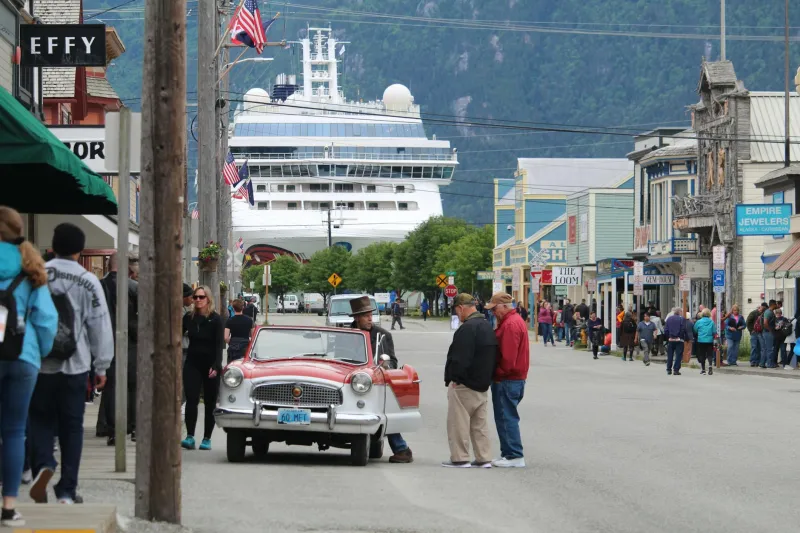
Today, driving into downtown San Francisco or Manhattan feels like entering a financial gauntlet. Parking apps charge surge pricing like ride-shares. Monthly parking passes cost more than many people's car payments. Street parking requires navigating complex permit zones, time restrictions, and payment systems that seem designed to generate tickets rather than provide convenience.
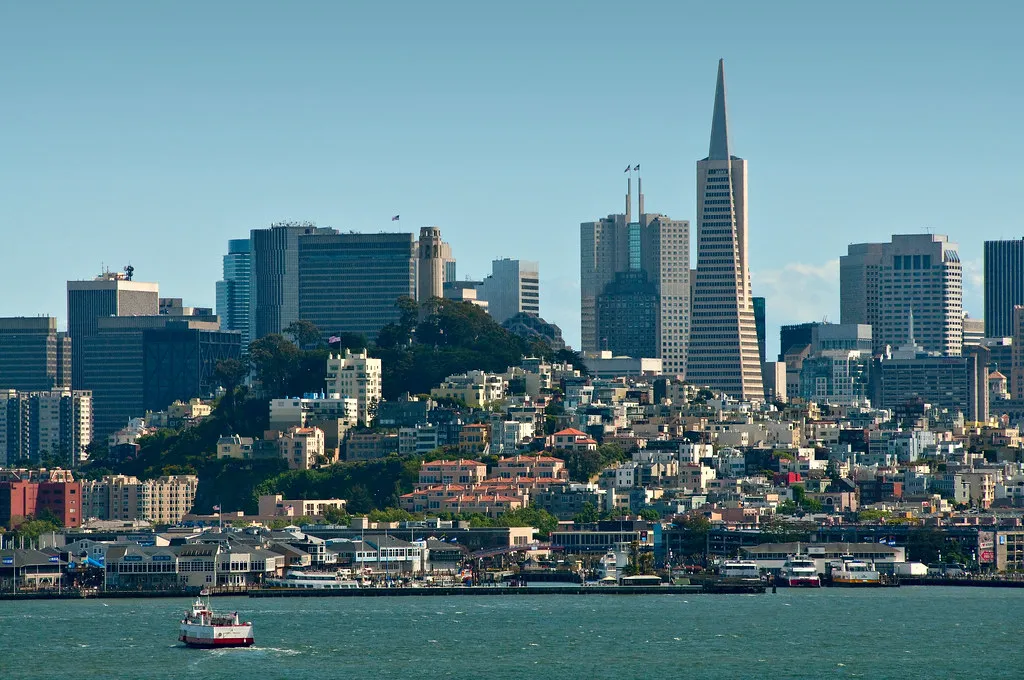 Photo: San Francisco, via farm5.staticflickr.com
The Psychology of Scarcity
Perhaps most significantly, we've moved from an abundance mindset to a scarcity mindset around urban parking. In 1965, you assumed you'd find a spot; the question was simply where. Today, finding parking is often the primary consideration in deciding whether to drive somewhere at all.
This shift reflects a broader change in how American cities view the automobile. What was once seen as essential infrastructure—like roads and sidewalks—is now viewed as a privilege to be managed, priced, and restricted.
What We Lost in Translation
The old system wasn't perfect. Those surface lots and wide streets came at the cost of walkable neighborhoods and efficient land use. The car-centric planning of the 1950s created many of the urban problems we're still trying to solve today.
But something was lost when parking transformed from a public amenity to a profit center. The ease and predictability of urban parking once made city centers feel accessible to everyone. Today's complex systems—however necessary for managing limited space—have created a barrier that particularly affects older residents, occasional visitors, and anyone not comfortable with smartphone-based payment systems.
The attendants who once provided human connection and local knowledge have been replaced by automated payment kiosks and enforcement cameras. The simple transaction of parking your car and going about your business has become a minor ordeal requiring planning, apps, and often a significant financial commitment.
The Full Circle
Interestingly, some cities are now experimenting with bringing back elements of the old system. Free parking promotions for downtown shopping districts, simplified payment systems, and even parking attendants in some premium areas reflect a recognition that the pendulum may have swung too far toward complexity and cost.
But we can't go back to 1962, when land was cheap and environmental concerns were minimal. The challenge for modern cities is finding ways to make urban parking more accessible and user-friendly without returning to the sprawling, car-dominated downtowns that created their own set of problems.
The story of parking is really the story of how American cities evolved from places designed around cars to places trying to balance multiple transportation modes, economic pressures, and quality of life concerns. Whether we've found the right balance is a question each city—and each driver—continues to answer differently.