When Every Main Street Was Also a Highway: America's Pre-Interstate Road Maze
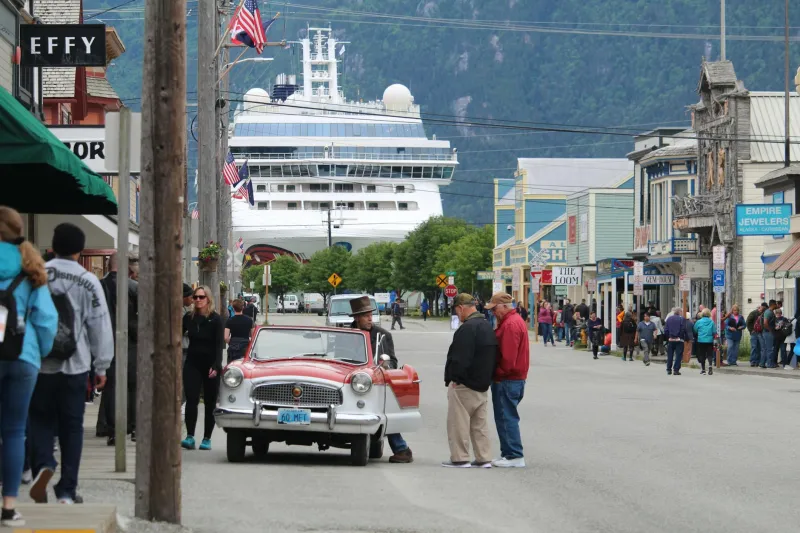
Picture this: You're driving from New York to Los Angeles in 1948. Your route takes you straight down Main Street in Nowhere, Kansas, where you're stuck behind a farmer herding cattle to pasture while the local diner crowd watches from their windows. This wasn't a detour – this was the highway.
The Reality of Pre-Interstate America
Before President Eisenhower signed the Federal-Aid Highway Act in 1956, America's "highway system" was a patchwork of local roads stitched together with hope and determination. What we called highways were often just slightly wider versions of the same roads farmers used to get to market.
Route 66, now romanticized as the "Mother Road," was actually a narrow two-lane strip that forced travelers to crawl through the center of every small town between Chicago and Santa Monica. You didn't bypass Tucumcari, New Mexico – you drove right down its main drag, stopping at traffic lights, dodging pedestrians, and sharing the road with local delivery trucks.
When Geography Ruled Your Route
Back then, roads followed the path of least resistance, which often meant following old wagon trails, Native American paths, or simply connecting whatever towns happened to exist. Rivers, mountains, and property lines dictated where you could go, not engineering efficiency.
A cross-country trip that takes 40 hours today could easily stretch to a week in the 1940s. Not just because cars were slower, but because your route zigzagged through hundreds of small communities, each with its own speed limits, traffic patterns, and local quirks.
The Livestock Traffic Control System
Animal crossings weren't marked with cute yellow signs – they were daily reality. Farmers drove their herds across highways because the highways went through their land. Chickens wandered onto roads. Horses got spooked by car engines. A "traffic jam" might literally involve a jam of livestock.
Drivers carried tire chains not just for snow, but for muddy stretches where the "highway" turned into a dirt road during spring thaw or heavy rains. Getting stuck meant flagging down the next car for help, because cell phones wouldn't exist for another 40 years.
Towns That Lived and Died by the Road
Every small town with a highway running through it became a mandatory stop. Gas stations, diners, and motor courts clustered around these thoroughfares because every traveler had to pass through. The local economy often depended entirely on through traffic.
Businesses knew exactly when the evening rush would hit – not from commuters, but from cross-country travelers looking for dinner and a place to sleep. A town's prosperity could hinge on whether the main highway curved left or right at the city limits.
Navigation by Landmark and Prayer
Before standardized interstate signs, navigation relied heavily on local knowledge and landmarks. Directions sounded like: "Turn left at the red barn, go straight until you see the water tower, then follow the railroad tracks for about five miles."
Gas station attendants doubled as navigation experts, sketching routes on napkins and warning about construction, flooding, or "that stretch where the road gets pretty rough." Getting lost wasn't just possible – it was practically guaranteed.
The Speed of Small-Town Life
Driving through downtown areas meant conforming to local pace of life. You couldn't barrel through at highway speeds because you were literally on Main Street, sharing space with shoppers, school children, and delivery wagons.
This forced interaction between travelers and locals created a different kind of American road culture. You weren't isolated in a highway bubble – you were participating in the daily life of every community you passed through.
When Progress Meant Destruction
The Interstate Highway System didn't just add new roads – it fundamentally restructured American geography. Towns that had thrived for decades on through traffic suddenly found themselves bypassed, their main streets empty as travelers zoomed past on elevated highways.
What we gained in efficiency, we lost in serendipity. The interstate system eliminated the random encounters, local discoveries, and forced patience that defined pre-1960s road travel.
The Lost Art of Slow Travel
Today's road trip culture celebrates the journey, but it's largely a romanticized version of what used to be necessity. Before interstates, every journey was an adventure by default – not because you chose scenic routes, but because all routes were scenic, challenging, and unpredictable.
The cow blocking your path wasn't an amusing photo opportunity – it was Tuesday morning in rural America. The difference between then and now isn't just about better roads; it's about a completely different relationship between travelers and the landscape they moved through.
Modern highways let us travel faster and more efficiently than ever before, but they also transformed road trips from community experiences into isolated journeys between destinations. Sometimes progress means trading character for convenience – and America's roads are the perfect example.