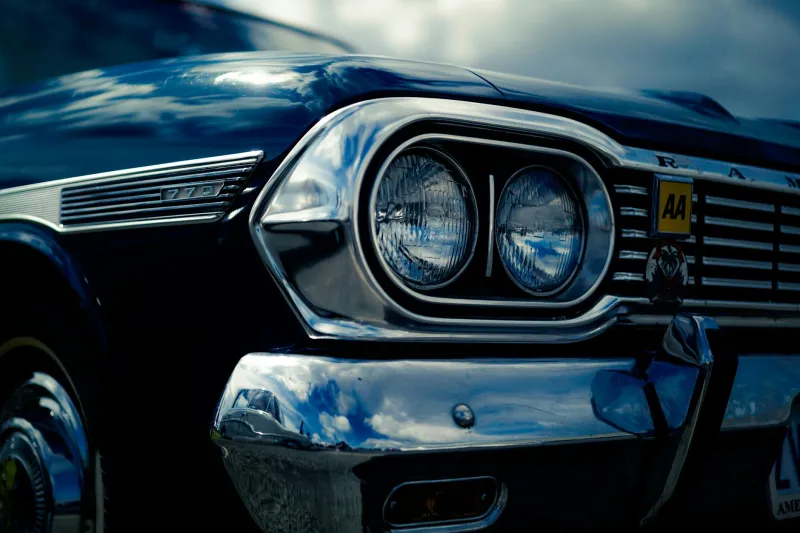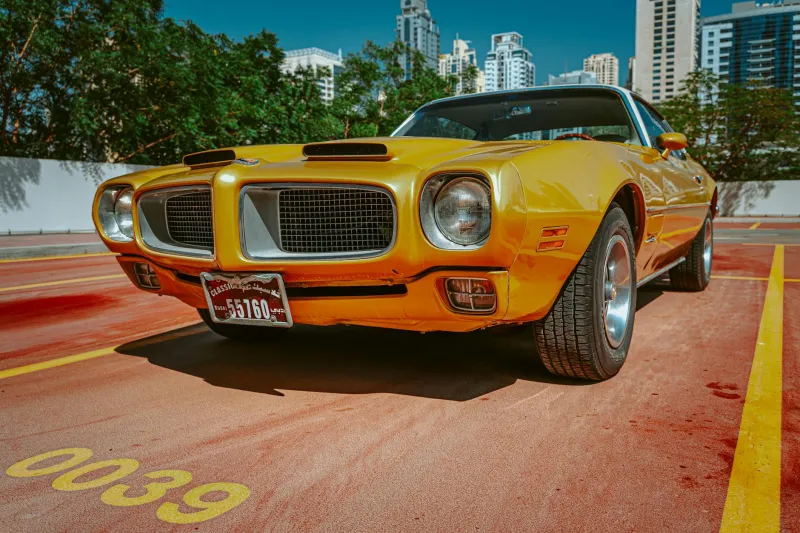
Drive through any American suburb today and you'll witness one of the most dramatic yet overlooked cultural shifts of the past fifty years. Where driveways once showcased burnt orange Chevelles, avocado green Oldsmobiles, and candy apple red Mustangs, today's streets flow with an endless sea of white, silver, black, and gray vehicles. We've traded automotive personality for something that looks more like a fleet of rental cars.
The statistics are startling: roughly 80% of new vehicles sold in America today come in one of four neutral colors. Compare that to the 1970s, when automotive paint charts resembled artist palettes, offering dozens of vibrant hues that buyers actually chose. Somehow, in the span of two generations, Americans collectively decided that cars should blend in rather than stand out.
The Golden Age of Automotive Expression
The 1960s and 1970s represented the peak of American car color creativity. Manufacturers didn't just offer different shades—they created entirely new categories of automotive expression. Plymouth's "In-Violet" purple, Ford's "Grabber Orange," and Dodge's "Plum Crazy" weren't just paint colors; they were statements of personality.
Walk through any parking lot from that era and you'd encounter a rolling art gallery. Lime Gold Camaros sat next to Bahama Blue Corvettes and Rallye Red Challengers. Car buyers treated color selection as seriously as engine options, often spending hours at dealerships debating between "Hugger Orange" and "Daytona Yellow."
The paint technology of the era encouraged experimentation. Metallic flakes, color-shifting pearls, and multi-stage finishes created depth and complexity that made cars look different under various lighting conditions. A turquoise Thunderbird might appear deep blue in shade and brilliant green in sunlight—adding an element of visual surprise that today's monochrome palette completely lacks.
Manufacturers embraced this diversity because it helped differentiate their products. When Ford offered the Mustang in "Acapulco Blue" or "Springtime Yellow," they weren't just selling transportation—they were selling identity. Color became a key marketing tool, with entire advertising campaigns built around vibrant paint options.
The Great Beige-ing of America
Somewhere in the 1990s, American automotive tastes took a sharp turn toward conformity. The shift wasn't sudden—it happened gradually, model year by model year, as bright colors disappeared from option sheets and were replaced by increasingly sophisticated variations of gray.
Today's "popular" colors tell a story of risk aversion that would have baffled earlier generations. White dominates new car sales, followed by black, gray, and silver. These four colors account for roughly 80% of all new vehicle purchases, leaving the remaining 20% to be divided among all other colors combined.
Even when manufacturers do offer "bold" colors today, they're often muted versions of their predecessors. Modern "red" looks more like burgundy compared to the fire-engine reds of the 1960s. Today's "blue" appears navy next to the electric blues that once dominated American highways.
The few bright colors that survive often carry premium pricing, as if manufacturers are punishing customers for wanting something different. A vibrant paint option might add $500 to $2,000 to a vehicle's price, while neutral colors come standard—sending a clear message about what automakers expect customers to choose.
The Resale Value Prison
The primary driver of this color consolidation is America's obsession with resale value. Somewhere along the way, car buyers became convinced that choosing an interesting color would hurt their vehicle's future worth. This fear created a self-fulfilling prophecy: as fewer people bought colorful cars, dealers became reluctant to stock them, making them harder to sell when used.
Auto industry data supports this anxiety to some degree. Neutral-colored vehicles typically retain value better and sell faster on the used market. But this advantage exists largely because buyers created it through their collective color avoidance. It's a circular problem: people avoid colorful cars because they're harder to resell, which makes them harder to resell.
The resale value obsession reflects a broader shift in how Americans view their vehicles. Earlier generations bought cars they planned to drive until they died. Today's buyers often think about their next car before they've finished paying for their current one, making every decision through the lens of future trade-in value.
This forward-thinking approach has practical benefits but comes at the cost of personal expression. When every car purchase is evaluated as an investment rather than a reflection of personality, the result is a marketplace full of safe, boring choices.
Corporate Fleet Influence
Another major factor in the great color decline is the rise of corporate fleet purchasing. As more Americans drive company cars, lease vehicles, or purchase through fleet programs, individual color preferences matter less than corporate purchasing decisions.
Fleet managers prefer neutral colors for obvious reasons: they're easier to maintain, more professional-looking, and appeal to the broadest range of employees. When a company orders 500 vehicles, they're not thinking about individual personality—they're thinking about uniformity and practicality.
This corporate influence extends beyond direct fleet sales. Manufacturers design their color palettes knowing that fleet buyers represent a huge portion of their sales. Offering dozens of color options complicates manufacturing and inventory management, so automakers have gradually reduced choices to focus on high-volume neutral colors.
The result is a automotive marketplace designed more for corporate efficiency than individual expression. Even buyers who purchase their own vehicles are limited by color palettes originally designed for fleet sales.
The Psychology of Automotive Conformity
The shift toward neutral car colors also reflects broader cultural changes in how Americans express individuality. In the 1960s and 1970s, your car was one of your primary forms of personal expression. Today, that role has largely been taken over by smartphones, social media profiles, and other digital extensions of personality.
Modern car buyers seem to prefer expressing individuality through technology packages, interior options, and aftermarket modifications rather than factory paint colors. A white SUV might look identical to thousands of others, but it could have a unique combination of apps, entertainment systems, and customized settings that make it feel personal to its owner.
There's also a practical element to color conformity. Today's cars last longer and are more expensive than their predecessors, making buyers more conservative in their choices. When you're spending $40,000 on a vehicle you plan to drive for ten years, choosing a neutral color feels safer than gambling on whether you'll still love "Electric Lime" in 2034.
What We Lost in the Wash
The homogenization of car colors represents more than just aesthetic change—it reflects a broader cultural shift toward risk aversion and conformity. When every parking lot looks like a grayscale photograph, we've lost something essentially American: the willingness to stand out.
Those vibrant 1970s parking lots weren't just more visually interesting—they represented a culture more comfortable with individual expression and less worried about fitting in. Every lime green Challenger or orange Camaro was a small act of rebellion against conformity, a declaration that the owner valued personality over practicality.
Today's neutral-colored landscape might be more sophisticated and resale-friendly, but it's also more anonymous and less joyful. We've traded the visual excitement of automotive diversity for the safety of blending in—and our roads are duller for it.
The few drivers who still choose bold colors today become almost heroic in their willingness to be different. That bright red sedan in a sea of silver SUVs isn't just transportation—it's a reminder of what American automotive culture used to celebrate: the radical idea that your car should reflect who you are, not what everyone else thinks you should drive.