The Art of Winging It
Picture this: It's Friday afternoon in 1967, and the Johnson family decides they want to see the Grand Canyon. By Saturday morning, they're loaded in their station wagon with a cooler full of sandwiches, some blankets, and absolutely zero hotel reservations. They'll drive until they're tired, then look for a motel with a glowing "VACANCY" sign. This wasn't considered poor planning—it was just how Americans traveled.
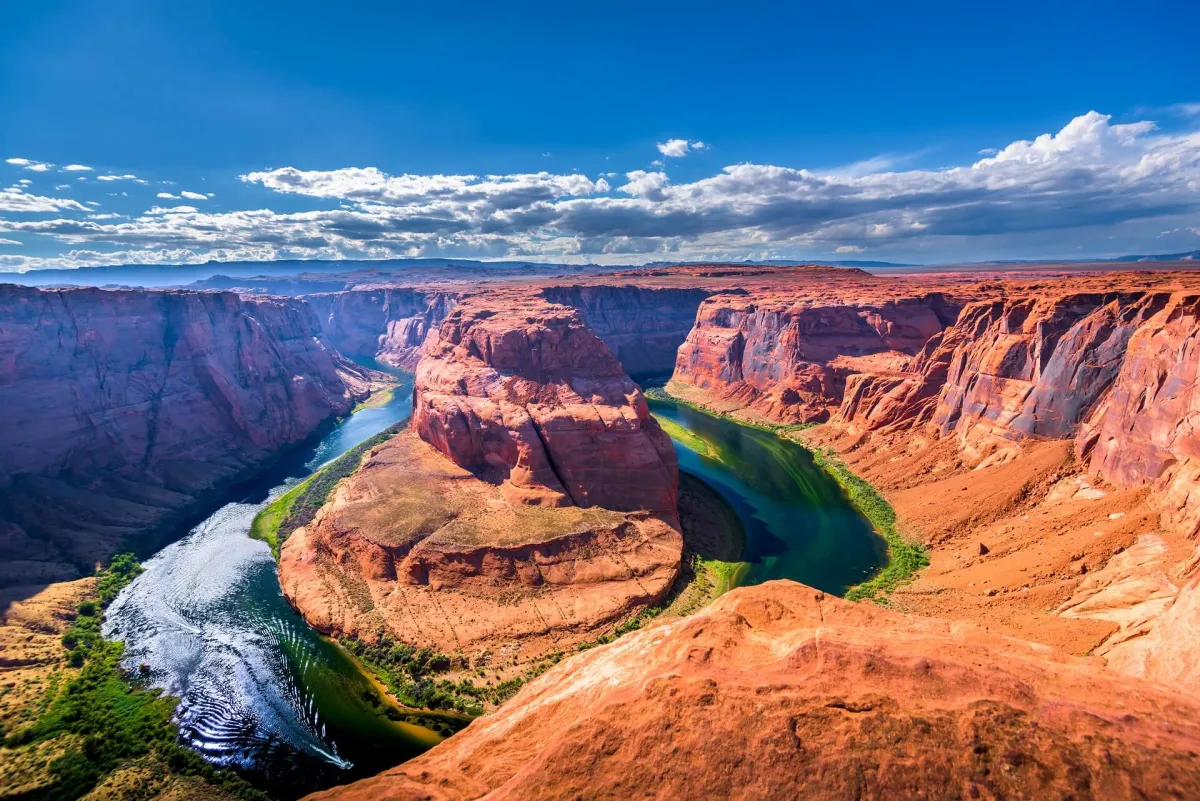 Photo: Grand Canyon, via greensmarteco.com
Today, the idea of driving cross-country without pre-booked accommodations seems almost reckless. We've become a nation of planners, armed with booking apps, confirmation emails, and backup reservations. But for decades, spontaneous road trips were the backbone of American family travel, and somehow, it all worked out just fine.
When Vacancy Signs Were Your GPS
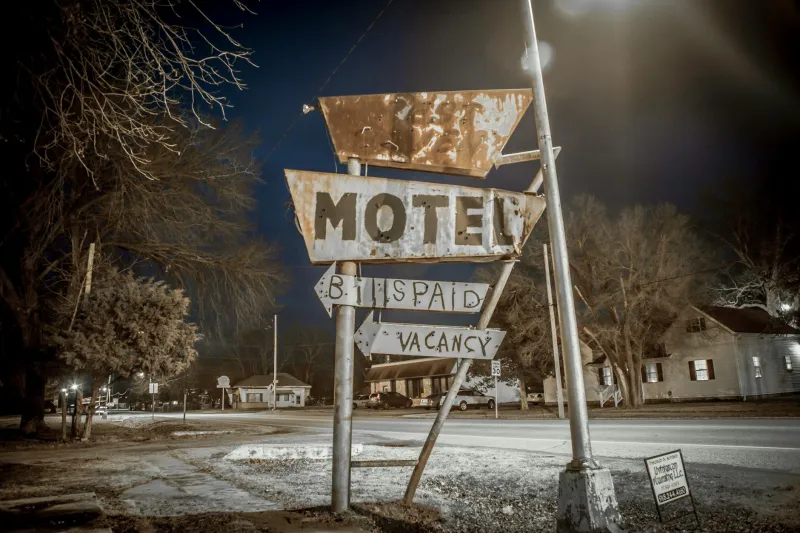
The roadside motel industry was built around this casual approach to travel. Motor lodges lined every major highway, each one competing for the attention of tired drivers with neon signs advertising "Air Conditioning," "Color TV," or "Swimming Pool." The vacancy sign wasn't just advertising—it was a beacon of hope for families who had been driving all day.
Motel owners understood their customers. They knew that most guests would arrive unannounced, sometime between 6 PM and 10 PM, looking for a clean room and a decent night's sleep. Rates were posted on signs visible from the road, and checking in was as simple as walking up to the office and asking for a room. No credit card holds, no cancellation policies, no loyalty program points to consider.
The system worked because it was designed for spontaneity. Tourist courts and motor lodges were built every 50-100 miles along major routes, ensuring that travelers would always find something when they needed it. The competition was fierce, which kept prices reasonable and service friendly.
The Freedom of Not Knowing
What modern travelers might see as chaos, previous generations experienced as freedom. Without the burden of rigid itineraries, families could change their minds on a whim. See a sign for "World's Largest Ball of Twine"? Why not make a detour? Kids getting cranky? Pull over at the next town and call it a day.
This flexibility extended beyond just where to sleep. Families would pack meals instead of researching restaurants, bring games and books instead of planning activities, and rely on roadside attractions and local recommendations instead of TripAdvisor reviews. The journey itself was the entertainment.
The car became a mobile base camp. Station wagons were loaded with everything a family might need: pillows and blankets for impromptu naps, coolers full of drinks and snacks, maps that would be spread across the dashboard at gas stations, and perhaps most importantly, a sense of adventure that didn't require advance planning.
When Risk Was Part of the Fun
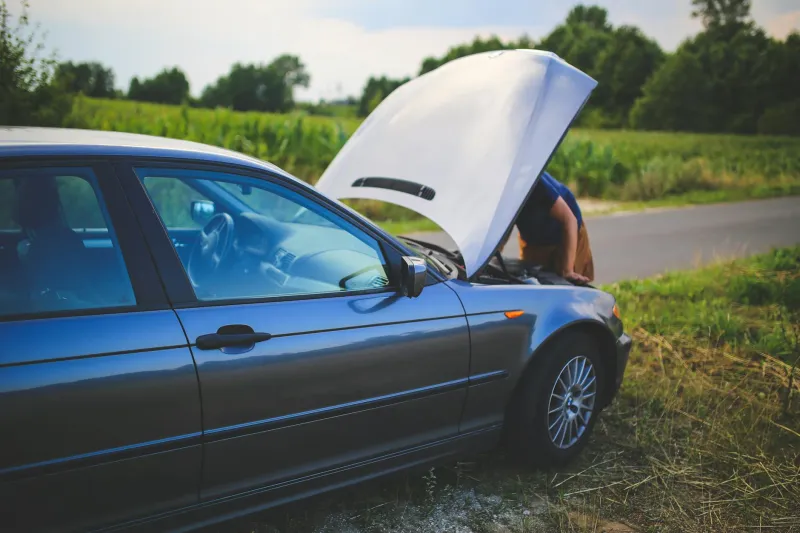
Of course, this approach wasn't without its uncertainties. Sometimes the "VACANCY" signs were all dark, and families had to drive further than expected to find a room. Sometimes the motel that looked fine from the highway turned out to be less than ideal. But these minor inconveniences were accepted as part of the adventure.
American families developed strategies for dealing with uncertainty. They'd start looking for lodging before dark, always had a backup plan (even if it was just sleeping in the car), and learned to read the subtle signs of a quality establishment from the road. The ability to adapt became a source of family pride and storytelling material.
The Digital Transformation
Today's travel landscape would be unrecognizable to those spontaneous road trippers of the past. We book accommodations weeks or months in advance, read dozens of reviews before making decisions, and carry confirmation numbers like digital security blankets. Apps tell us exactly how many rooms are available at exactly what price at exactly what time.
This shift toward planned travel began in the 1980s with the rise of chain hotels and centralized reservation systems. By the 1990s, the internet made it possible to research and book accommodations from home. The 2000s brought online travel agencies, and the 2010s gave us mobile apps that put the entire travel industry in our pockets.
While this evolution has certainly made travel more predictable and often more affordable, something has been lost in translation. The romance of the unknown, the thrill of discovery, and the simple pleasure of letting the road decide your destination have become casualties of our digital efficiency.
The Last of the Vacancy Signs
Drive any major highway today, and you'll still see remnants of this bygone era. Vintage motor lodges with their original neon signs, now competing with Hampton Inns and Holiday Inn Express hotels. But even these survivors have adapted to modern expectations, offering online booking and WiFi passwords instead of just a friendly face at the front desk.
The spontaneous American road trip isn't entirely extinct, but it requires more courage than it used to. Today's unplanned travelers are swimming against a current of digital expectations and standardized experiences. Yet for those willing to embrace a little uncertainty, the rewards—unexpected discoveries, genuine local interactions, and the pure joy of not knowing what comes next—remain as appealing as ever.
The next time you're planning a trip, consider what your grandparents might have done: pack light, plan nothing, and let the road surprise you.