The Original Highway Information Network
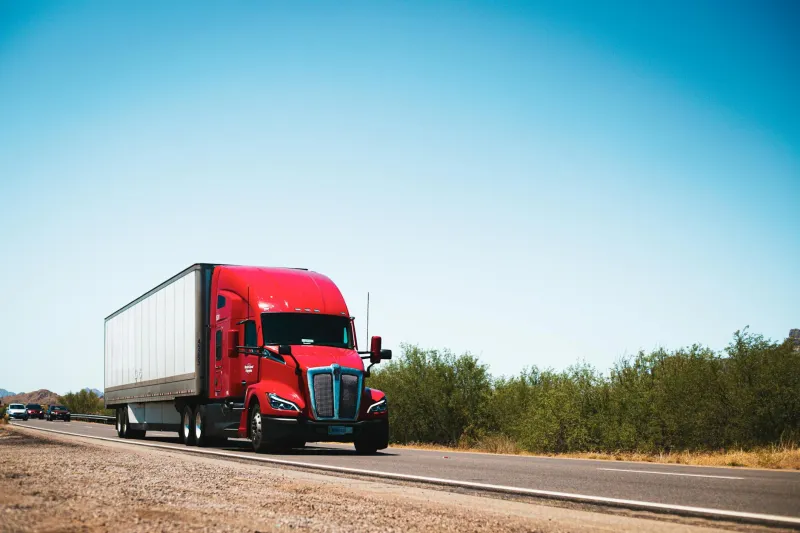
Breaker one-nine, this is Rubber Duck, eastbound and down on I-80, looking for a smokey report around mile marker 247." If you drove America's highways in the 1970s, conversations like this crackled constantly across CB radio channel 19, creating the country's first real-time traffic and road conditions network.
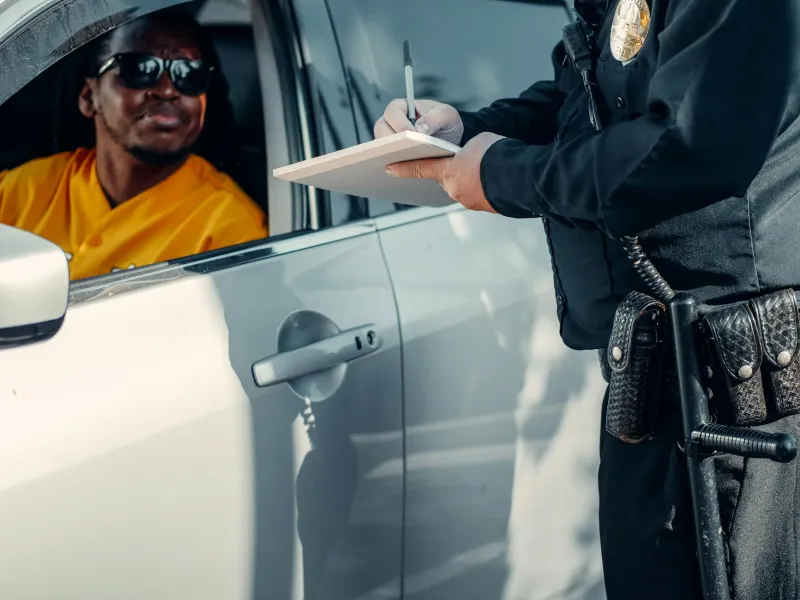
Decades before Google Maps could tell you about a fender-bender three miles ahead, long-haul truckers were broadcasting warnings about "smokeys" (police), "gator" (tire debris), icy patches, construction zones, and accident scenes to anyone within radio range. This wasn't just practical communication—it was a cultural phenomenon that transformed how Americans thought about highway travel.
The Technology Behind the Voices
Citizens Band radio, or CB, operated on 40 designated frequencies that anyone could use without a license. Channel 19 became the unofficial highway channel, where truckers and motorists shared information across the 27-megahertz band. The technology was simple but effective: a basic radio setup could reach other vehicles within a 5-15 mile radius, creating overlapping cells of communication that stretched across entire interstate corridors.
Unlike today's centralized traffic apps, this was a completely decentralized network. Information flowed organically from driver to driver, with truckers serving as mobile relay stations carrying news from one region to another. A trucker leaving Denver with word of a snowstorm could warn drivers hundreds of miles away as he traveled east, updating conditions in real-time.
The Language of the Road
CB radio developed its own rich vocabulary that became part of American pop culture. "Smokey Bear" referred to state troopers, "county mountie" meant local police, and "bear in the bushes" warned of speed traps. Weather conditions had their own terminology: "slick top" meant rain-slicked roads, while "white stuff" indicated snow.
This wasn't just colorful slang—it was a functional code that allowed rapid communication of complex road conditions. A trucker could broadcast "eastbound, you've got a bear in the bushes at the 247 marker, local yokel with a customer" and immediately convey that there was a local police officer with someone pulled over at mile marker 247.
The Human Network Effect
What made the CB network special wasn't just the information—it was the human element. Regular drivers developed radio relationships with truckers they'd never meet in person. "Coffee break" conversations at truck stops extended onto the airwaves, creating a sense of community among people traveling the same routes.
Truckers became the unofficial guardians of America's highways. They'd radio ahead about disabled vehicles, coordinate help for stranded motorists, and share information about the safest routes during bad weather. Many car drivers bought CB radios specifically to tap into this network, turning channel 19 into a highway party line.
The Information Advantage
Before traffic helicopters, highway patrol reports, or weather radar, the CB network provided information that was often hours ahead of official sources. Truckers driving through a sudden storm could warn drivers 50 miles behind them, potentially preventing accidents or helping people choose alternate routes.
This information network was particularly valuable during the 1973 and 1979 oil crises, when truckers organized fuel information networks, sharing locations of open gas stations and current prices. During the 1977 trucker strike, CB radio became the coordination tool for a nationwide protest that briefly paralyzed American commerce.
The Cultural Phenomenon
By the late 1970s, CB radio had transcended its practical applications to become a genuine cultural craze. The 1977 movie "Smokey and the Bandit" popularized trucker culture and CB slang nationwide. Country music embraced CB themes, with songs like "Convoy" by C.W. McCall becoming major hits.
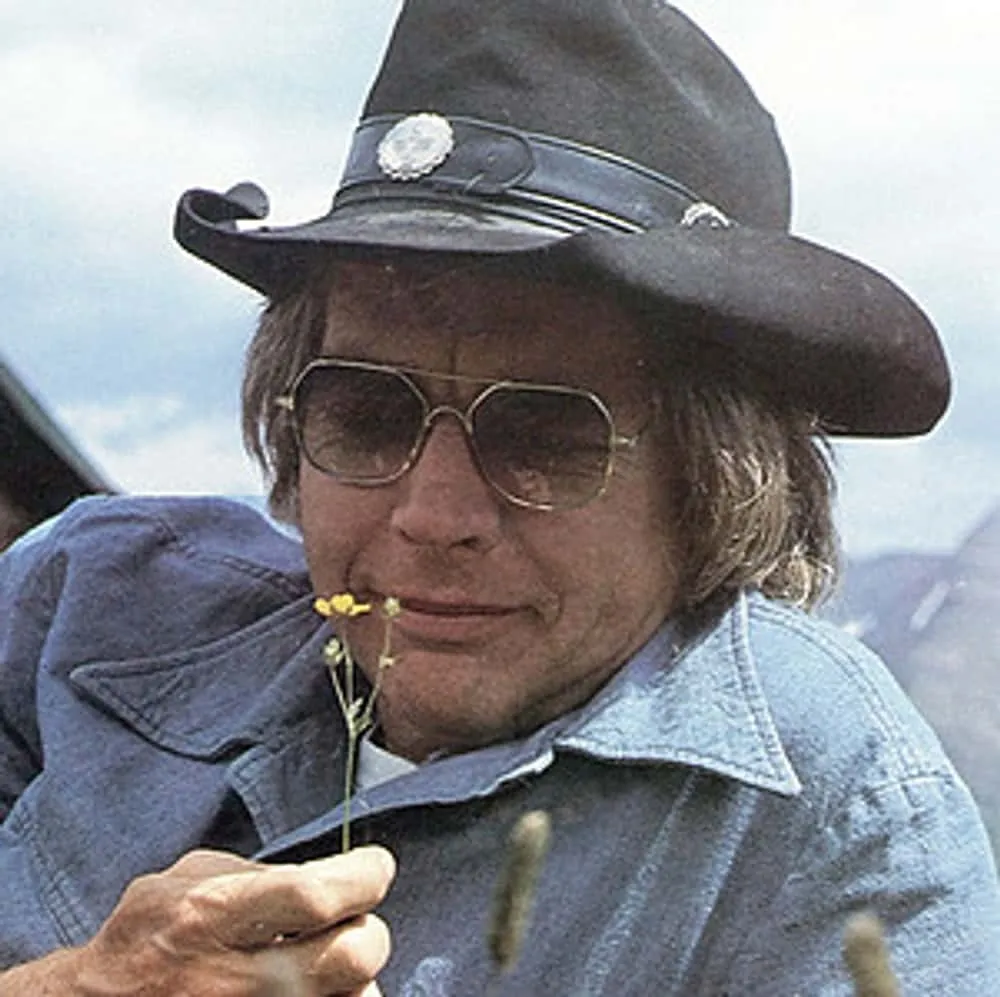 Photo: C.W. McCall, via static.wikia.nocookie.net
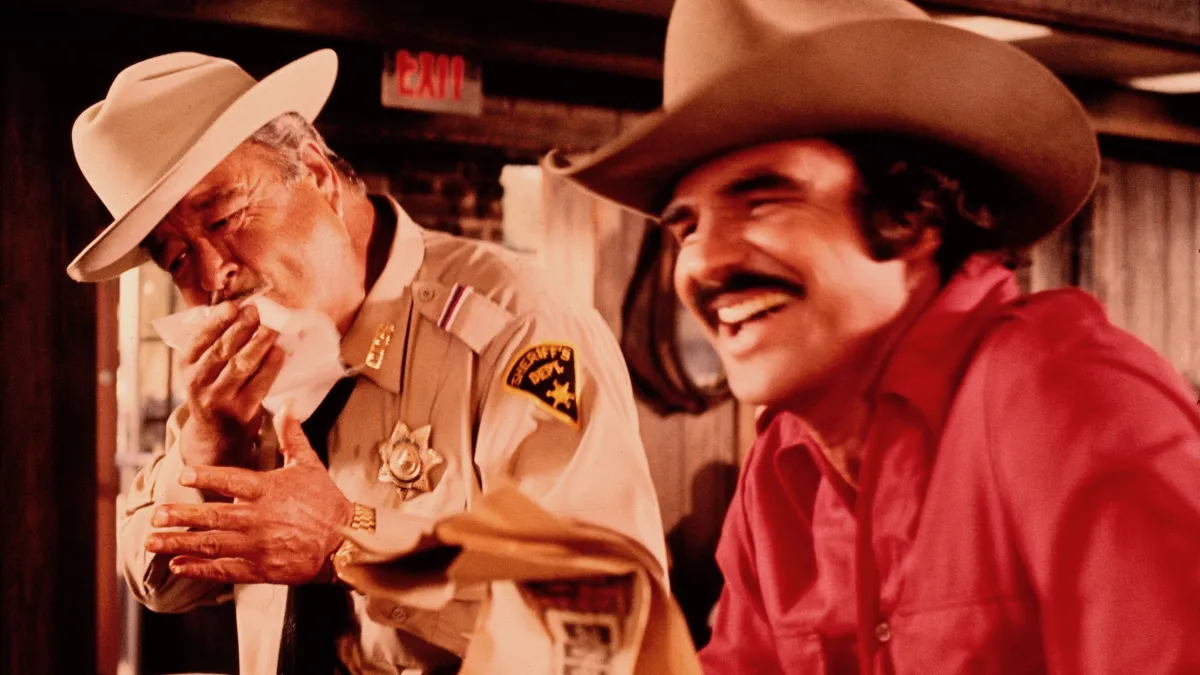 Photo: Smokey and the Bandit, via image.tmdb.org
Millions of Americans who never set foot in a truck cab adopted CB handles, learned the lingo, and joined the highway conversation. Suburban families installed CB radios in their cars for vacation trips, turning long drives into interactive experiences where kids could talk to truckers and learn about upcoming attractions or road conditions.
The Decline of the Airwaves
Several factors contributed to the decline of CB culture. The deregulation of trucking in 1980 changed the industry, putting pressure on drivers to focus more on efficiency and less on community. Cell phones provided private, reliable communication that didn't depend on atmospheric conditions or radio range.
Most significantly, the rise of centralized information systems—traffic reports on AM radio, weather services, and eventually GPS navigation—provided more reliable and comprehensive information than the informal CB network could offer.
The Digital Revolution
Today's traffic apps like Waze have recreated many functions of the old CB network, but with algorithmic precision instead of human personality. Waze crowdsources traffic information from millions of users, automatically detecting slowdowns and routing drivers around problems.
But something fundamental changed in the transition from human voices to digital data. Modern traffic apps provide better information, but they've eliminated the social aspect that made CB radio special. You can't strike up a conversation with Waze or develop an ongoing relationship with the voice providing traffic updates.
What the Algorithms Can't Replace
The CB radio era represented a unique moment when technology enhanced human connection rather than replacing it. The informal network of truckers and motorists sharing information created genuine communities of people who looked out for each other on the road.
Modern navigation systems are undeniably more accurate and comprehensive, but they've also eliminated the serendipitous conversations, the colorful personalities, and the sense of mutual aid that characterized the CB era. Today's drivers are better informed but more isolated.
The Persistence of Voice
Interestingly, CB radio never completely disappeared. Long-haul truckers still use it, particularly in areas with poor cell coverage. During natural disasters, when cellular networks fail, CB radio often becomes the primary means of emergency communication.
Some trucking companies are even integrating CB communication with modern fleet management systems, recognizing that human-to-human information sharing still has advantages over purely algorithmic approaches.
Lessons from the Airwaves
The CB radio phenomenon offers insights into how information networks develop and evolve. The trucker-driven system succeeded because it was decentralized, immediate, and built on genuine mutual benefit. Participants shared information freely because they knew they might need help themselves down the road.
This collaborative spirit exists in modern platforms like Waze, where users report conditions to help other drivers. But the personal relationships and ongoing conversations that characterized CB culture have largely disappeared, replaced by anonymous data points and algorithmic processing.
The Road Ahead
As we move toward autonomous vehicles and increasingly sophisticated traffic management systems, it's worth remembering what we learned from the CB radio era: that information sharing works best when it's based on genuine community and mutual aid.
The truckers who built America's first highway information network weren't just sharing data—they were creating connections. In our rush toward more efficient and automated transportation systems, we might want to preserve some space for the human voices that once made every highway journey a conversation.